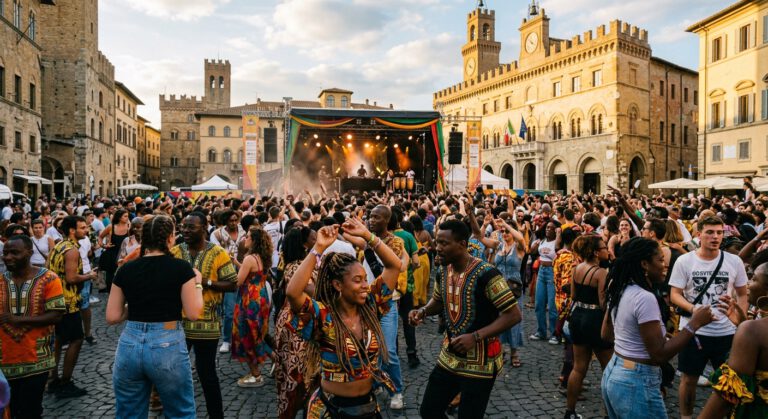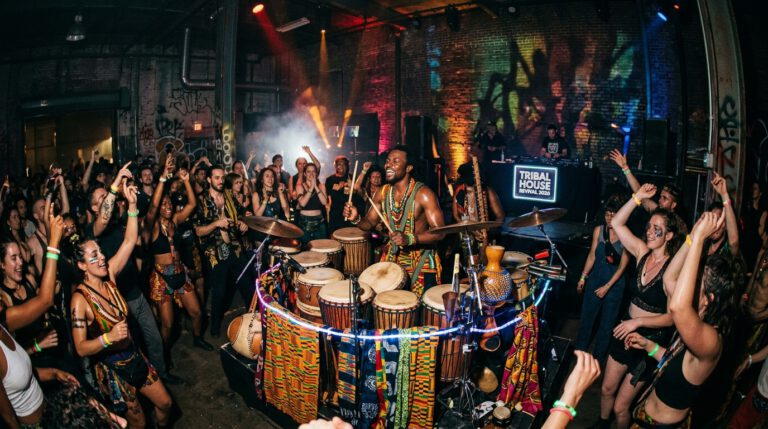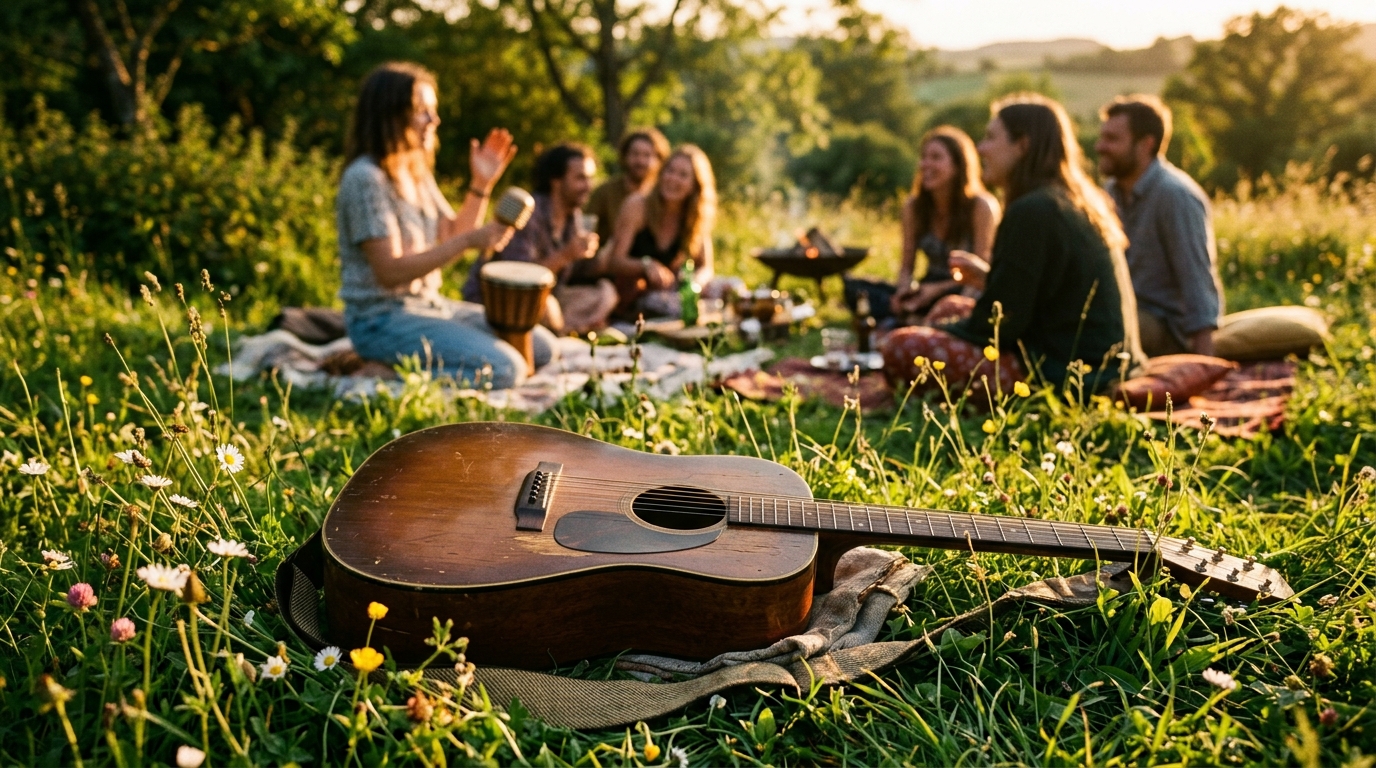
Two genres sit side by side in playlists, festival lineups, and late-night sets, yet they pull from entirely different sonic philosophies. The organic house vs deep house difference comes down to texture, tempo intent, and where the warmth originates: one draws it from acoustic instruments and field recordings, the other from jazz-inflected chords and soulful vocal phrases. Both reward patience. Neither chases a drop. But confuse them at the decks and the floor will tell you immediately.
Understanding the Roots of Organic House
Organic house is defined by its fusion of acoustic instrumentation with electronic production frameworks, operating strictly between 105 and 120 BPM to mirror a resting heart rate that feels naturally energized. According to Dirty Disco’s 2026 genre guide, the style emerged as a direct response to digital fatigue, with audiences rejecting hyper-quantized audio in favor of tactile, culturally resonant soundscapes.
The Afro house explosion across the Global South opened the door. By 2025, Afro house had become one of the most popular global genres, and organic house rode that momentum, borrowing polyrhythmic structures while leaning harder into wood, skin, and wire: marimbas, congas, acoustic guitars layered over minimal electronic beds.
What Defines Organic House Music?
Organic house music is built on the principle that imperfection is the point. Producers use micro-timing shifts and field recordings to reject grid-perfect quantization, creating a neurobiological relaxation response that synthetic genres simply cannot replicate. The result feels less like a track and more like an environment. I’ve played organic house sets where the room stopped talking and just breathed with the music.
Key Characteristics of Organic House
The core organic house characteristics include layered acoustic elements (flutes, hand drums, stringed instruments), earthy textures drawn from nature recordings, and a deliberate avoidance of aggressive compression. Tempo stays moderate. Drops don’t exist. The genre rewards producers who understand dynamics over loudness, and listeners who want to feel soil under their feet even on a concrete dance floor. Labels releasing this sound often lean into tribal rhythmic traditions that predate electronic music entirely.
Exploring the Essence of Deep House
Deep house is unique because it balances emotional depth with danceability, sitting between 110 and 125 BPM with jazz-derived harmony, rounded basslines, and soulful vocals that carry feeling without demanding attention. Where organic house reaches outward to the natural world, deep house reaches inward toward soul, gospel, and the smoky corners of Chicago’s warehouse scene circa 1986.
Larry Heard’s early Mr. Fingers productions remain the genre’s emotional blueprint. That combination of electric piano chords, restrained vocal samples, and bass that rolls rather than punches defined a template producers still chase decades later. Deep house never needed a rebrand; it just kept finding new rooms to fill.
What Makes Deep House Unique?
Deep house uniqueness lives in its refusal to escalate. The basslines are central but never harsh. Atmospheric synths and soft pads build mood with deliberation, pulling from ambient music and jazz harmony simultaneously. The emotional energy stays relaxed even at peak hours, which is why deep house works at midnight in a packed club and on a quiet drive home at 3 a.m. That versatility is rare in electronic music.
Signature Sounds of Deep House
The signature deep house sounds include warm sub-bass tones, Rhodes or Wurlitzer chord voicings, chopped soul vocal samples, and hi-hat patterns that swing rather than march. Kerri Chandler’s New Jersey groove and Kenny Dixon Jr.’s Detroit sensibility both demonstrate how deep house absorbs regional flavor without losing its core identity. The genre’s relationship with melodic, emotionally driven electronic music is closer than most people realize.
Comparative Analysis: Organic vs Deep House
The key differences in sound design between organic vs deep house center on source material. Organic house builds warmth from recorded acoustic instruments and environmental textures. Deep house builds warmth from synthesized pads, sampled soul records, and studio-processed electric keys. Both reject aggression, but their gentleness comes from opposite directions: one from nature, the other from the studio.
I watched this distinction play out clearly at a sunrise set last year. The DJ transitioned from a deep house closer into an organic house opener, and the shift was immediate: the room went from introspective head-nodding to something more communal, almost ceremonial. Same BPM range. Completely different emotional architecture.
Key Differences in Sound Design
Sound design differences between the two genres are structural. Deep house relies on subtractive synthesis, filtered pads, and carefully EQ’d vocal samples to create depth. Organic house uses additive layering of real-world recordings: a bird call here, a hand-struck djembe there, a bowed string buried under soft percussion. Deep house sounds like a late-night conversation. Organic house sounds like the walk home through the woods afterward.
Vocal Styles in Both Genres
The vocal styles comparison reveals a clear split. Deep house favors soulful, often gospel-inflected vocal phrases, sometimes full performances, sometimes just a chopped two-bar loop carrying all the emotion the track needs. Organic house uses vocals more sparingly and more abstractly: chants, whispered phrases, indigenous vocal traditions treated as texture rather than melody. When organic house does feature a lead vocal, it sits inside the mix rather than above it, blending with the acoustic instrumentation like another reed instrument.
Notable Labels and Artists to Explore
The organic house labels and deep house labels shaping these genres come from different lineages but occasionally share roster DNA. Knowing where to look saves hours of playlist scrolling and gets you closer to the source.
The crossover between these scenes and adjacent genres like Afrotech means that following one label often leads to unexpected connections with the other. That porousness is part of what keeps both genres alive.
Top Organic House Labels and Artists
Among organic house artists, Bedouin helped define the genre’s festival presence with long, hypnotic sets that blur the line between DJ performance and ritual. Sol Selectas, the label founded by Sabo, became a critical platform for the sound, releasing records that pair Burning Man aesthetics with genuine production depth. All Day I Dream, Matthias Meyer’s work, and the broader Café Del Mar-adjacent curation world all feed into the organic house ecosystem. Nicolas Jaar, while harder to pin to a single genre, brought the acoustic-electronic fusion concept to a wider audience and raised the bar for what organic production could achieve.
Influential Deep House Labels and Artists
Deep house artists and labels carry a longer institutional memory. Kerri Chandler’s Madhouse Records, Larry Heard’s Alleviated Records, and the broader Strictly Rhythm catalog form the genre’s historical backbone. More recently, labels like Freerange Records and Lazy Days Recordings have kept the deep house tradition alive without chasing trends. Dixon, Âme, and the Keinemusik collective operate in adjacent territory, pulling deep house warmth into broader contexts while maintaining respect for the genre’s roots.
How to Choose Between Organic and Deep House
Choosing organic vs deep house comes down to context and intention. Organic house works best when the setting itself is part of the experience: outdoor spaces, golden-hour gatherings, environments where nature and sound can interact. Deep house owns the interior: the dimly lit room, the after-hours bar, the headphone session at 2 a.m. when you need something that understands solitude.
Neither genre is better. But each has a time and place where it becomes the only right answer, and playing the wrong one in the wrong moment is a mistake you only make once.
When to Listen to Organic House
Listening to organic house hits hardest at sunset, during slow weekend mornings, or in any space where the air moves. Rooftop gatherings, beach bars, open-air festival stages at the golden hour: these are the environments where acoustic textures and field recordings stop being production choices and start feeling like extensions of the physical world. If you can hear wind or water nearby, organic house is the right call.
Ideal Moments for Deep House
Listening to deep house belongs to enclosed, intimate spaces. A basement club with low ceilings and warm lighting. A solo drive through an empty city. The last hour of a house party when the crowd has thinned to the people who actually care about the music. Deep house rewards focus and proximity. It doesn’t need a view; it builds its own interior world, and the best deep house sets make you forget there’s anything outside the room at all.