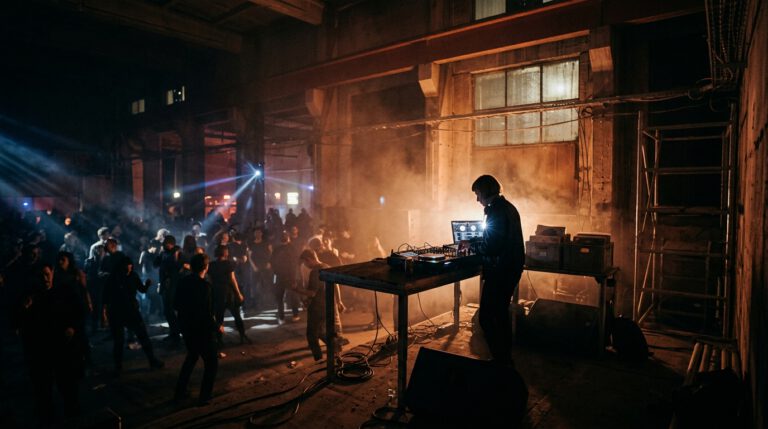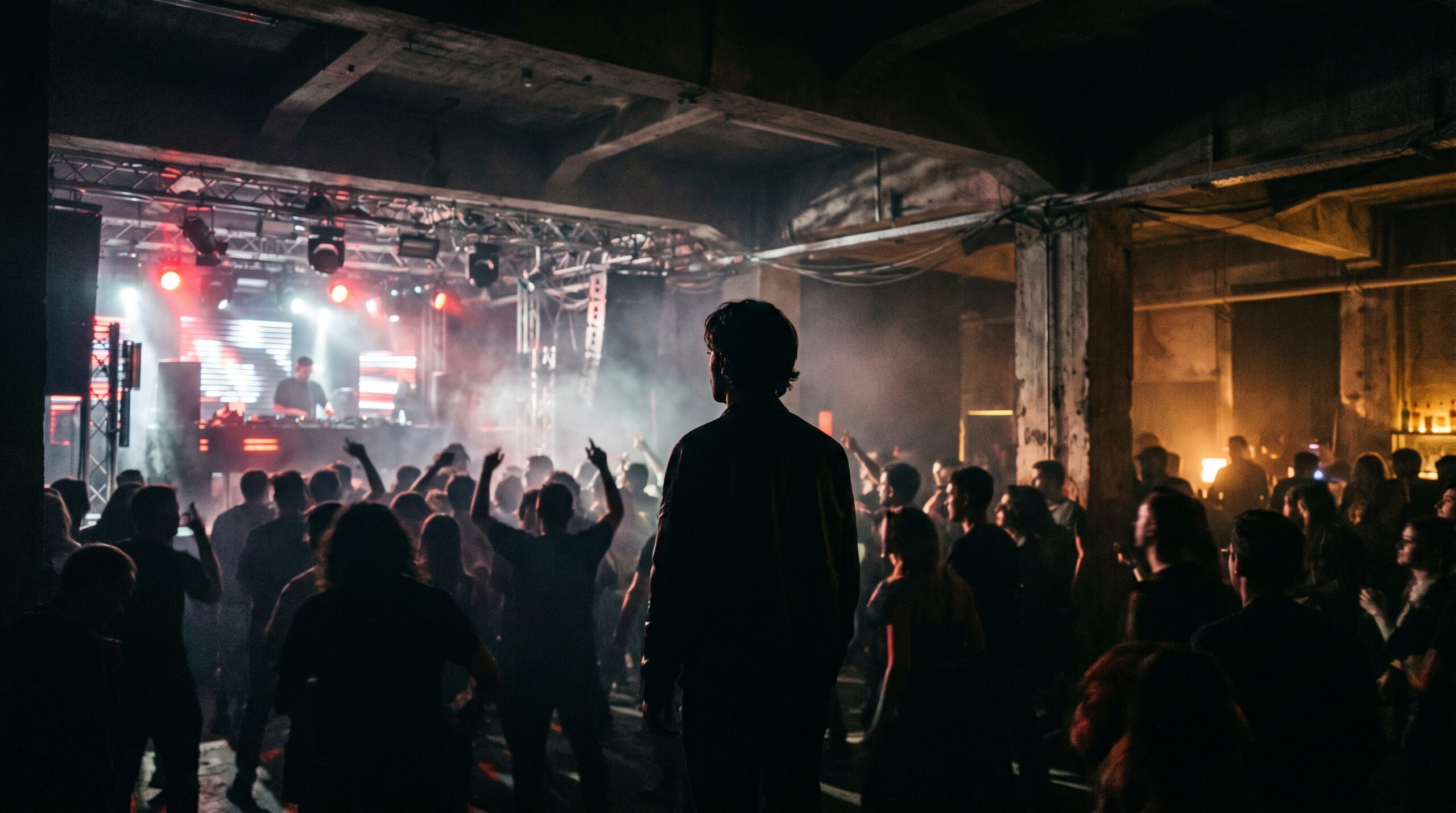
There’s a particular kind of exhaustion that sets in when a genre gets named. The moment melodic techno’s emotional architecture in 2026 starts appearing in festival lineups and streaming algorithm headers, something shifts. The music doesn’t change. But the way people talk about it does. What was once discovered in the dark corners of Berghain’s Kantine or through a Bandcamp rabbit hole at 3am now gets positioned as a mood category, a wellness-adjacent listening experience, a brand. And yet, underneath all of that repositioning, the music itself remains stubbornly specific. It still does something that most electronic subgenres cannot replicate: it holds rhythm and harmony in genuine tension, letting neither fully win, and in that unresolved space, something emotionally real keeps happening.
What is Melodic Techno in 2026?
Melodic techno in 2026 is a rhythmically driven electronic genre that foregrounds harmonic movement and emotional texture alongside the structural demands of the dancefloor. It is not ambient music with a kick drum. It is not progressive trance with darker aesthetics. Melodic techno sits in a specific tension between propulsion and introspection, and in 2026, that tension has become more compositionally sophisticated than at any point in the genre’s history.
Defining Melodic Techno Today
Melodic techno is defined by its integration of sustained melodic content, whether through synthesiser leads, harmonic pads, or processed vocal fragments, inside a four-four rhythmic framework that maintains dancefloor functionality. The definition matters because it separates the genre from adjacent territory. Melodic house leans warmer, more resolved. Atmospheric techno often sacrifices rhythmic drive for texture. Melodic techno holds both without conceding either. In 2026, that definition has expanded to include more micro-tonal harmonic movement, longer compositional arcs, and a more deliberate use of silence as structural material. The genre is harder to summarise than it was in 2018, which is probably a sign that it has actually developed.
Key Characteristics of 2026 Sound
The 2026 melodic techno characteristics that distinguish this moment from earlier iterations include slower harmonic resolution, denser layering in the mid-frequency range, and a more restrained approach to the drop. Producers are building longer tension cycles, sometimes sustaining unresolved harmonic phrases across eight or twelve bars before offering any release. The kick drum sits lower in the mix than it did five years ago. The emotional weight has shifted upward into the melodic layer, which now carries more compositional responsibility. Labels like Afterlife, Mau5trap’s darker catalogue, and smaller operations such as Trau Records are all pushing in this direction, each from a slightly different angle.
Influence of Technology on Melodic Techno
Technology in melodic techno has always been a quiet driver, but in 2026, the tools have become genuinely transformative in how producers approach harmonic complexity. Spectral processing, granular synthesis applied to melodic material, and AI-assisted composition tools are allowing artists to generate harmonic textures that would have taken weeks to programme manually five years ago. The risk is that the music becomes technically impressive but emotionally distant. The producers who are navigating this well, names like Innellea and Alignment, are using these tools as texture generators rather than compositional replacements. The human decision about when to resolve, when to withhold, when to let a melody fracture, that remains irreducibly human.
Q: How has melodic techno evolved?
Melodic techno has evolved by integrating richer emotional narratives and utilising advanced production techniques across its harmonic layers. It draws from ambient, classical minimalism, and darker techno traditions to build a listening experience that operates on both physical and emotional registers simultaneously.
Why is Melodic Techno Emotionally Resonant?
Melodic techno is emotionally resonant because it embeds explicit harmonic content inside a rhythmic framework that demands physical engagement, creating a dual-channel emotional experience that most electronic subgenres cannot replicate. The body is held by the rhythm whilst the harmonic layer works on something less articulable. Emotional resonance in melodic techno is not incidental to the genre’s construction. It is the structural premise. The melody is not decoration placed over a functional groove. It is load-bearing material, carrying the emotional arc of a track in the same way a chord progression carries a song.
Emotional Themes in Melodic Techno
The emotional themes that surface most consistently across melodic techno are longing, transition, and a particular kind of unresolved relief. Longing is everywhere in the harmonic language: suspended chords, melodies that reach upward without landing, pads that sustain past the point of comfort. Grief appears too, though it rarely announces itself directly. It comes through in the space between notes, in the way certain producers let a melodic phrase decay without replacing it. What shifts in 2026 is the relationship to euphoria. Earlier iterations of the genre used euphoric moments as climactic rewards. Now? The euphoria is more ambiguous, arriving at unexpected structural points and dissolving before it fully resolves. It feels less like a destination and more like a weather condition.
Comparing Emotion in Techno Subgenres
Emotion differs significantly across techno subgenres, and understanding those differences clarifies what melodic techno is actually doing. Industrial techno operates through intensity and physical pressure. The emotion is confrontational, almost aggressive in its demands on the body. Minimal techno works through reduction and repetition, generating a kind of meditative detachment that can feel cold or liberating depending on your state. Hard techno is physical in a different register entirely, closer to catharsis through volume and tempo. Emotion in techno takes a different form in the melodic variant. It is neither confrontational nor detached. It is present, directed, and asking for something from the listener. That quality, the sense that the music is addressing you specifically, is what separates it from most of the genre’s adjacent territory.
Role of Melody in Emotional Connection
Melody’s role in emotion within techno is structural, not ornamental. In most western musical traditions, melody carries the primary emotional signal. In techno, that role was historically suppressed in favour of rhythmic and textural information. Melodic techno restores melody to a primary position without abandoning the genre’s rhythmic foundations. The result is a music that communicates emotionally through familiar harmonic language whilst maintaining the physical demands of club-functional sound design. Producers like Tale Of Us and BVDLVD have made careers out of understanding exactly where that balance sits, and how far it can be pushed before the music tips into something else entirely.
Q: What makes melodic techno unique?
Melodic techno stands out because of its emphasis on melody and emotional depth within a rhythmically functional framework. It creates a soundscape that operates simultaneously on the body and the emotional register, producing a listening experience that most other techno subgenres do not attempt.
Global Appeal of Melodic Techno
The global appeal of melodic techno comes from its capacity to function across radically different cultural contexts without losing its emotional specificity. A genre that works in a 3,000-capacity warehouse in Berlin, a festival stage in São Paulo, and a small club in Seoul is doing something structurally universal whilst remaining aesthetically particular. That combination is rare in electronic music, and it explains why the genre’s reach has expanded so consistently over the past several years.
Cultural Influences in 2026
The cultural influences on melodic techno in 2026 are more geographically distributed than at any previous point in the genre’s development. The German lineage, rooted in the functional severity of Berlin club culture, remains present but is no longer dominant. South American producers are bringing harmonic sensibilities shaped by different emotional traditions. East Asian artists working in the space are introducing structural approaches that prioritise texture and cyclical movement over linear development. This isn’t simply a case of the genre absorbing outside influences. It is a more fundamental shift in where the music is being made and what emotional experiences it is being asked to serve. The genre sounds different in different cities because the cities themselves are different, and the music is responding to that.
Melodic Techno Festivals and Events
The major melodic techno festivals in 2026 include events like Epizode in Vietnam, Neopop in Portugal, and the continued expansion of Afterlife’s touring programme across outdoor and indoor venues in Europe and South America. Fabric in London hosts dedicated melodic techno nights with increasing regularity. Awakenings in Amsterdam has given more floor time to the genre’s slower, more harmonic-focused end. I’ve stood in those crowds at dawn, when the set has been running for three hours and the harmonic tension hasn’t resolved once, and there is a specific quality of collective attention that forms. People stop talking. They stop moving dramatically. They just listen, together, in a way that feels almost involuntary. That quality is not accidental. It is built into the music’s structural logic, and the best festival programmers understand how to create the conditions for it.
Community Building in Melodic Techno
Melodic techno builds community through shared emotional experience at events, and that community formation is one of the most underexamined aspects of the genre’s global expansion. The music creates conditions for collective introspection, which is a specific social experience distinct from the collective euphoria of peak-time techno or the social warmth of house music. Online, this community has consolidated around label-specific spaces: the Afterlife Telegram channels, the Discord servers attached to smaller labels, the Bandcamp followings of producers who release infrequently but with intention. The underground electronic music community around melodic techno is less visible than the festival audience, but it is more invested, and it is the part of the audience that sustains the genre between the big moments.
Q: Why is melodic techno popular worldwide?
The global appeal of melodic techno comes from its ability to evoke specific emotional states across cultural contexts, combined with its adaptability as a live and recorded format. It builds community through shared experience at events, and its harmonic language translates across cultural boundaries in ways that more genre-specific electronic music does not.
Key Artists Shaping Melodic Techno
The key artists in melodic techno shaping the genre’s direction in 2026 include both established producers who have been refining their approach for a decade and a new generation working with different tools and different emotional reference points. The most interesting development is not at the top of the hierarchy but in the middle tier, where artists with small but dedicated followings are making production decisions that the bigger names will absorb in two or three years.
Top Melodic Techno Producers in 2026
The top producers working in melodic techno in 2026 include Innellea, whose recent releases have pushed harmonic complexity into genuinely difficult territory without losing dancefloor functionality; Alignment, whose structural approach has become more minimal and more emotionally precise simultaneously; and Massano, who has spent the past two years building a body of work that prioritises compositional patience over immediate impact. Tale Of Us remain central to how the genre is perceived globally, though their curatorial role through Afterlife now arguably shapes the genre’s direction more than their individual releases. Artists operating at this level set the harmonic and structural vocabulary that filters downward through the producer community.
Influential Collaborations and Projects
Melodic techno’s most significant collaborations in 2026 are reshaping how the genre handles its own boundaries, with cross-genre projects introducing harmonic and structural ideas that single-producer work rarely generates. The Afterlife label’s ongoing curatorial project functions as a kind of extended collaboration between its roster, creating a coherent aesthetic world that individual releases contribute to rather than exist independently within. Outside that ecosystem, collaborations between melodic techno producers and composers working in contemporary classical music are producing some of the most structurally ambitious work the genre has seen. These projects tend to release on smaller labels or directly through Bandcamp, which means they reach a narrower audience, but their influence on production technique circulates quickly through the community. The production techniques developed in these collaborative contexts often define the genre’s next harmonic movement before the mainstream of the genre has caught up.
Emerging Talents to Watch
The emerging talents in melodic techno worth tracking in 2026 are largely operating outside the established label structures that defined the genre’s previous generation. Artists like Svreca’s newer signings on Warm Up Recordings, producers emerging from the South American circuit, and a handful of East Asian artists releasing through Bandcamp with no label affiliation are building bodies of work that approach the genre’s emotional vocabulary from unfamiliar angles. What distinguishes the most interesting of these emerging producers is not technical sophistication, though that is often present, but a willingness to let tracks remain emotionally unresolved for longer than the genre’s conventions typically permit. That stubbornness is exactly why it still sounds like something worth caring about.
Q: Who are the leading artists in 2026?
The leading artists in melodic techno in 2026 include established names such as Innellea, Alignment, Massano, and Tale Of Us, alongside a growing tier of emerging producers from South America and East Asia. They are expanding the genre’s emotional range through longer compositional arcs, more complex harmonic movement, and a more deliberate relationship with silence and unresolved tension.