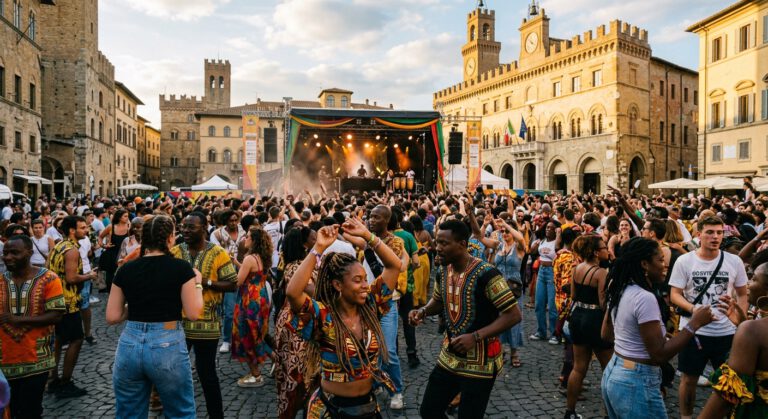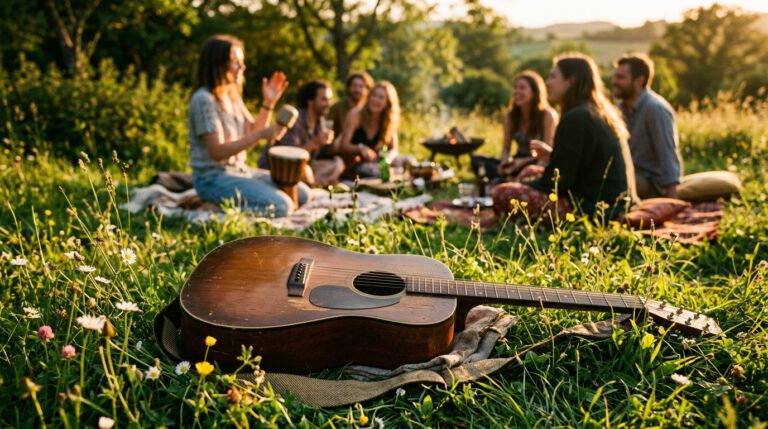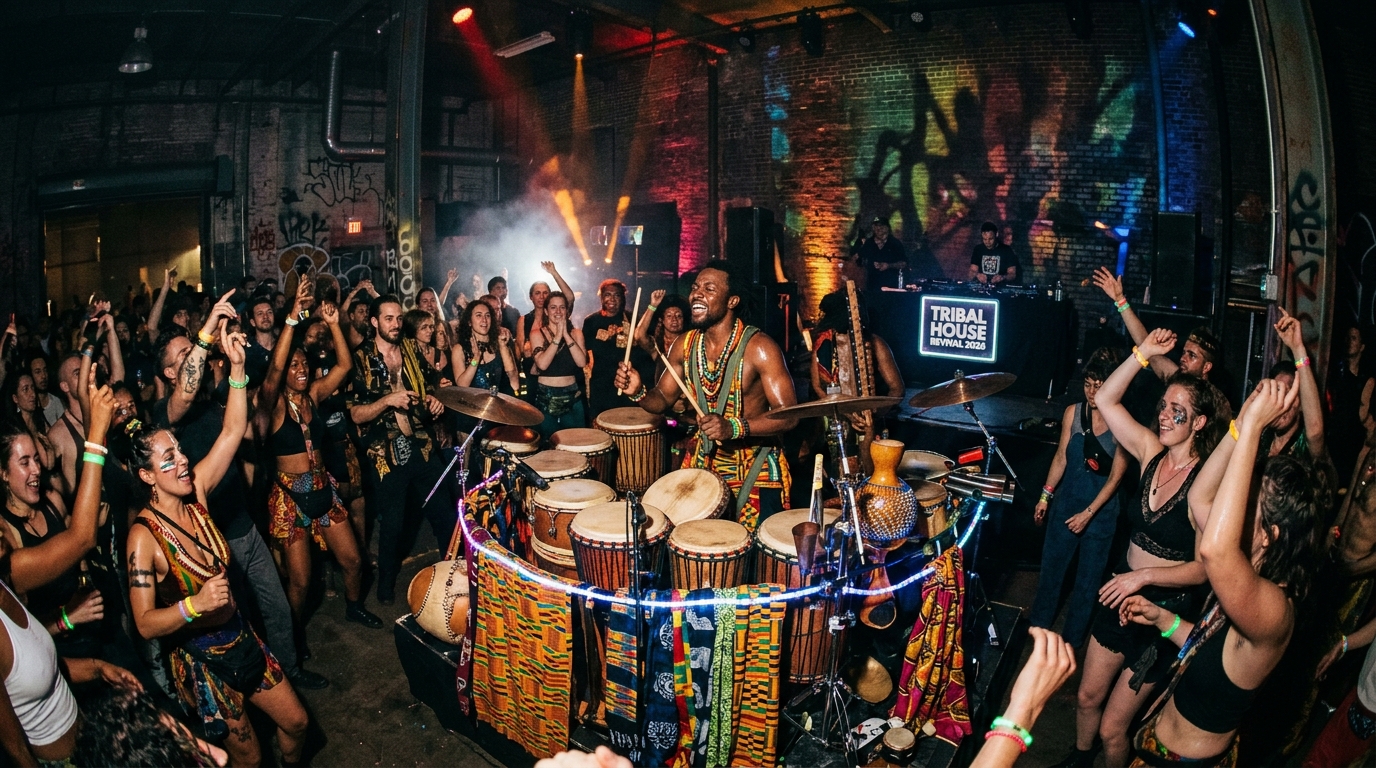
Something shifted on the floor this year. The polyrhythmic pulse that defined late-night New York warehouses in the early ’90s is back, but it sounds different now: deeper, wider, pulling from more corners of the globe than Junior Vasquez could have imagined when he was running 12-hour sets at Sound Factory. Tribal house music 2026 is not a nostalgia act. It is a living, mutating thing, fed by Afrobeat crossovers, Latin percussion traditions, and a generation of producers who grew up sampling field recordings before they ever touched a 909.
Understanding Tribal House Music’s Essence
Tribal house music is defined by its commitment to percussion as the primary emotional driver, layering organic rhythmic patterns over four-on-the-floor house structures typically running between 120 and 126 BPM. Unlike melodic house or deep house, the groove does the storytelling here: congas, djembe patterns, shakers, and log drums carry the weight that synth pads carry elsewhere.
The genre’s DNA traces back to producers like Danny Tenaglia and the early Tribal America imprint, but its 2026 form absorbs far more sonic vocabulary. YouTube channels like Savanna Pulse’s deep melodic and tribal house mixes are pulling tens of thousands of plays by blending these percussive traditions with organic house textures, proving the sound has a hungry audience right now.
What Defines Tribal House Music?
The tribal house music definition centers on rhythmic density. Where minimal techno strips back, tribal house stacks: hand drums, call-and-response vocal chants, and polyrhythmic loops that reference West African, Afro-Brazilian, and Indigenous percussion traditions. The kick is present but never dominant. The percussion speaks first.
Key Elements of Tribal House
The essential elements of tribal house include live-recorded or sampled congas, bongos, talking drums, and increasingly, the log drum, which has become a signature texture in 2026 productions. I’ve watched rooms lock in the moment a log drum pattern drops over a stripped-back kick; it creates a gravitational pull that synth stabs simply cannot replicate. Electronic processing sits underneath, but the organic layer always leads.
The Resurgence of Tribal House in 2026
The tribal house revival in 2026 is driven by a convergence of cultural authenticity-seeking and the commercial success of adjacent genres like afro house and organic house, which have primed mainstream electronic audiences for percussive, non-melodic dance music. The SHAKIDO tribal log drum mix surpassed 400,000 views within a month of release, a clear signal that tribal sounds are generating real demand beyond niche circles.
Festival programmers have noticed. Stages that two years ago would have been labeled “afro house” are now splitting into dedicated tribal and organic sub-stages, giving the sound its own real estate. The nostalgia factor matters, but this resurgence is not backward-looking; it is younger producers reinterpreting a rhythmic language through contemporary production tools. If you want to understand how afrotech pushes afro house into darker territory, tribal house is doing something parallel: pushing it toward rawer, more percussive ground.
Why is Tribal House Making a Comeback?
The tribal house comeback reasons are structural, not sentimental. Streaming algorithms reward rhythmic distinctiveness because it reduces skip rates; listeners who find a tribal groove stay locked in for longer sessions. Producers working in the space also benefit from lower sample-licensing friction, since many core textures come from live percussion recordings rather than cleared melodic hooks. The economics favor the sound.
Trends Influencing the Revival
The most significant trends in tribal house right now include the integration of Afrobeat vocal cadences, the use of analog-modeled percussion synthesis alongside real drum recordings, and a growing crossover with the Latin afro house movement coming out of Miami. Producers are treating cultural source material with more intentionality than the ’90s generation did, crediting traditions rather than just sampling them.
Key Artists Shaping Tribal House in 2026
The tribal house artists defining 2026 span established names and a fast-growing underground. Black Coffee continues to operate as a bridge figure, pulling tribal percussion into his globally distributed sets while maintaining roots in South African house. Bedouin bring a Middle Eastern and South American inflection that sits at the melodic-tribal intersection, filling festival main stages with percussion-forward arrangements.
Below the headliner tier, the scene is dense with producers who treat tribal house not as a side project but as a primary identity. The beat-making community around afro house instrumentals is thriving; producers like OA Beats are generating significant attention with exclusive tribal-tagged afro house type beats that rack up tens of thousands of views, feeding a pipeline of new vocal and remix productions.
Who Are the Leading Tribal House DJs?
Among leading tribal house DJs, Black Coffee and Bedouin sit at the commercial peak, but the more interesting action is happening one level down. Selectors who blend tribal house with amapiano and afro house sensibilities are carving out loyal followings on SoundCloud and YouTube, building audiences through long-form mix series rather than single releases. I’ve heard sets from some of these DJs at 3 a.m. in small rooms where the percussion alone held 200 people motionless. That is where the genre proves itself.
Emerging Talents to Watch
Emerging tribal house artists in 2026 are often producer-DJs who blur the line between beat-making and live performance. Many come from Johannesburg, São Paulo, and Bogotá, cities where percussive dance music is not a trend but a baseline cultural reality. These producers typically release on Bandcamp and small digital imprints before getting picked up by larger afro house labels, and their output is raw, rhythmically complex, and uncompromising in its commitment to the drum.
Cultural Influences on Tribal House Music
Culture shapes the sound of tribal house at every level, from the specific drum patterns producers choose to the vocal textures they layer on top. African, Latin American, and Indigenous rhythmic traditions are not decorative additions; they are the structural foundation. The genre’s credibility depends on how seriously producers engage with these sources rather than treating them as exotic seasoning over a standard house template.
The history matters here. As documented in Alex Arnout’s account of New York’s Sound Factory, Junior Vasquez’s heavy tribal house sound in the early ’90s drew directly from the queer underground, ballroom culture, and a dancefloor that mixed House of Xtravaganza energy with downtown creative communities. That cross-cultural collision created the original tribal house language. In 2026, the collision points have multiplied.
How Does Culture Shape the Sound?
The cultural impact on tribal house is audible in specific production choices: a Yoruba talking drum pattern signals a different emotional register than a Brazilian surdo loop, and producers who understand these distinctions make better records. The genre’s strongest work comes from artists embedded in the cultures they reference, not from outsiders browsing sample packs. That distinction separates records that move a room from records that merely fill one. The Gondwana Festival’s bridge between African and European club culture is one space where this cultural specificity gets tested on real dancefloors.
Global Inspirations in 2026
Global influences on tribal house in 2026 extend well beyond the West African and Latin American roots that defined earlier eras. South Asian tabla patterns, Southeast Asian gong textures, and Aboriginal Australian rhythmic structures are appearing in productions from Berlin, London, and Nairobi. The fusions are not random; they follow migration patterns, diaspora communities, and the personal histories of producers who carry multiple musical traditions in their bodies. Tribal house has always been a genre about where rhythm comes from. In 2026, the answer is: everywhere, but with receipts.