Wilson Timba Afro house DJ producer who keeps placing on Traxsource and Beatport genre charts without a single editorial profile to his name. No PR team, no magazine features, no playlist plugging campaigns. Just tracks that DJs buy, play, and buy again. This is the first dedicated profile of a producer whose chart consistency outpaces artists with ten times his visibility, and it starts here because nobody else has written it.
Who Is Wilson Timba
Wilson Timba is a DJ and producer rooted in the Southern African Afro house ecosystem, a region responsible for a disproportionate share of the genre’s most functional dancefloor records. His work sits at the intersection of deep percussive traditions and electronic production, and his name circulates almost exclusively through DJ purchase charts and word-of-mouth.
What makes his position unusual is the complete absence of media infrastructure around him. His Facebook page documents chart placements and release announcements, but there is no EPK, no artist bio syndicated across blogs, no interview archive. He operates like a producer from 2007: the music does the talking.
Where Wilson Timba Is From
Wilson Timba’s origin sits within Southern Africa, a region that has become a global epicenter for Afro house production. The deep rhythmic sensibilities native to that geography, the same ones feeding Southern Africa’s rising club exports, run through his music at a structural level. His sound carries the weight of a specific place rather than a generalized “African” aesthetic.
What Genre Wilson Timba Produces
Wilson Timba produces Afro house, specifically the deeper, more restrained end of the genre that prioritizes rhythmic tension over melodic spectacle. His tracks sit comfortably in sets alongside artists like Enoo Napa and Da Capo, but he leans further into percussive minimalism. The genre tag matters because it determines which charts he appears on, and he appears on them repeatedly.
How Long Wilson Timba Has Been Active
Wilson Timba’s career timeline is difficult to pin down precisely because of his lack of editorial presence, but his SoundCloud profile lists six tracks and his discography spans multiple labels and collaborations. His release cadence suggests a producer who has been active long enough to understand exactly what DJs need from a record, which is not something you learn in a year.
The Sound That Keeps Wilson Timba Charting
Wilson Timba’s production style centers on deep rolling basslines, layered African percussion, and atmospheric chord progressions that create hypnotic dancefloor tension without demanding the room’s full attention. His tracks typically operate in the 120 to 124 BPM range common to Afro house, but they feel slower because of the space he leaves between elements.
I’ve heard his track “Nyora” (with Mr Maui) dropped into a set where the DJ before had been playing maximal, vocal-heavy Afro house, and the shift was immediate. The room didn’t empty; it recalibrated. That restraint is the whole point.
Wilson Timba’s Core Afro House Production Approach
His Afro house production approach favors subtraction over addition. Where many producers in the genre stack vocal chops, synth pads, and melodic hooks into dense arrangements, Timba strips back to the essentials: a locked groove, a bassline with weight, and percussion that breathes. The result is a track that functions as a tool and as a mood piece simultaneously.
Instruments and Elements in His Tracks
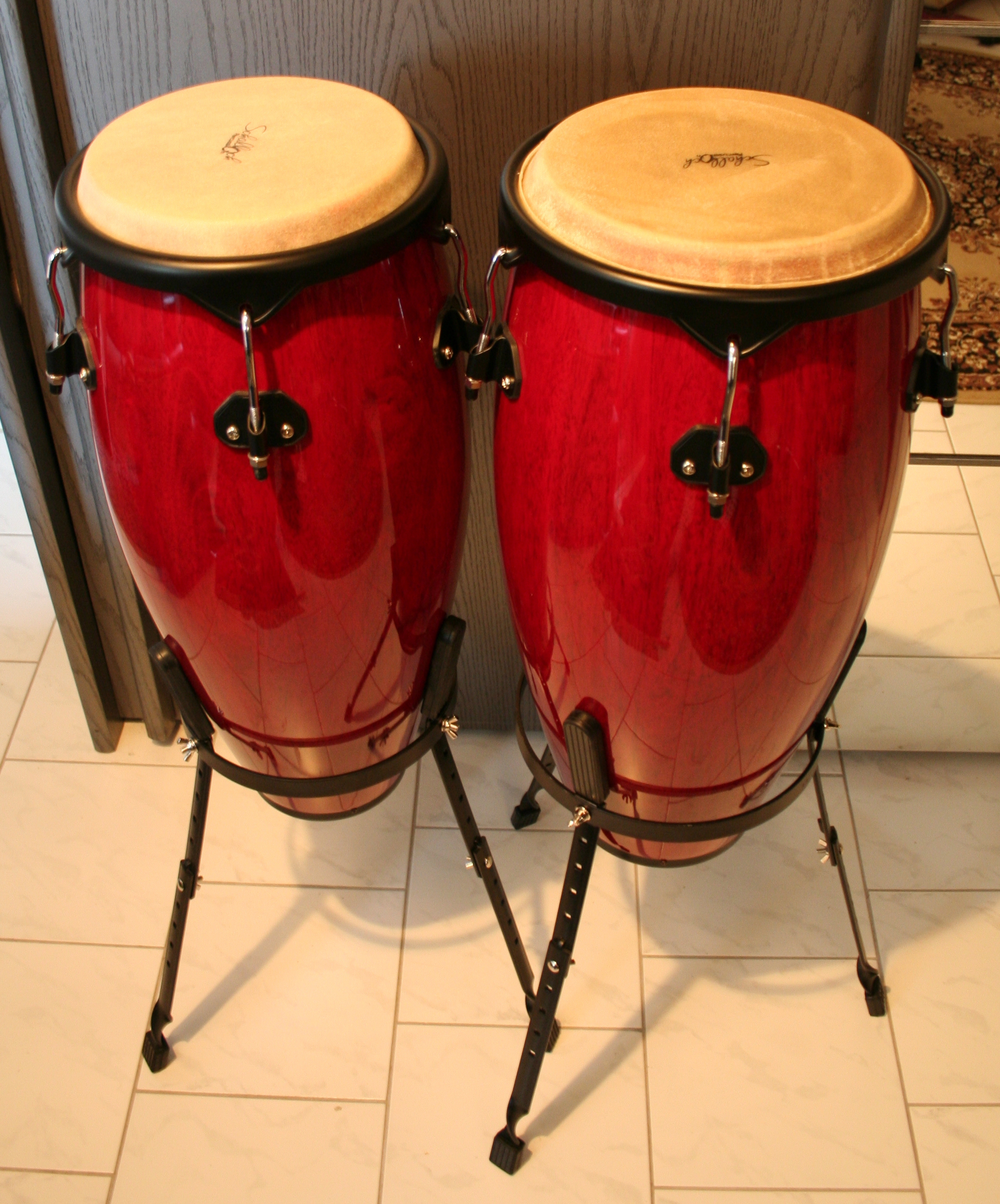
Wilson Timba’s track elements lean heavily on organic percussion patterns, sub-bass movement, and sparse atmospheric textures. You hear shakers, congas, and hand drums processed through electronic filters but never sanitized. The collaboration “Ungubani” with Malik Mustache, which has accumulated over 15,000 Spotify streams, shows his ability to let a vocal sit inside the rhythm without overwhelming it.
How His Sound Differs From Mainstream Afro House
Mainstream Afro house in 2025 often chases the festival moment: big breakdowns, anthemic vocal hooks, and dramatic builds. Wilson Timba’s underground approach skips all of that. His tracks are built for the 2 a.m. stretch of a club set where the DJ needs something that holds without shouting. That functional restraint is exactly why DJs keep buying his records, and why Afro house’s European expansion creates more demand for this kind of utility.
Wilson Timba’s Chart Performance Without Editorial Support
Wilson Timba has repeatedly appeared in top positions on Afro house genre charts on both Traxsource and Beatport, driven entirely by organic DJ purchases and community word-of-mouth. His September 2026 chart on Traxsource was featured among the platform’s DJ Top 10s, a placement that typically requires either a PR push or genuine grassroots demand. In his case, it was entirely the latter.
Traxsource’s chart algorithm rewards consistent purchases and playlist adds over time, not single-day spikes. This means Timba’s placements reflect sustained buying behavior from working DJs, not hype cycles. That pattern is harder to fake and harder to sustain than a one-week chart spike driven by a premiere on a major blog.
Which Charts Wilson Timba Has Ranked On
Wilson Timba’s chart rankings span both Traxsource and Beatport’s Afro house categories, with his Traxsource presence being the more visible of the two. His “Nyora” release through QulaqAs Records appeared in the DJ Top 10s section, placing him alongside established names in the genre. For a producer with zero editorial coverage, that ranking is significant.
How He Charts Without Press or Media Coverage
Wilson Timba’s organic chart growth without press happens through the oldest mechanism in electronic music: DJs telling other DJs. His tracks get played, someone asks for the ID, and the purchase follows. No Spotify algorithmic playlist, no blog premiere, no Instagram ad campaign. The Afro house purchasing community is small enough and engaged enough that quality alone can generate chart movement. I’ve watched this same dynamic play out with deep house producers on Traxsource for years; the platform rewards consistency over virality.
Platforms Driving Wilson Timba’s Chart Visibility
Traxsource and Beatport remain the primary platforms driving Wilson Timba’s visibility, and this matters because both are purchase-driven rather than stream-driven. A Traxsource chart placement means real transactions from working DJs, not passive algorithmic plays. His presence on Spotify exists (the Malik Mustache collaboration proves that) but his core audience lives on platforms where the economics still favor producers over playlist curators.
Wilson Timba’s Labels, Releases, and Afro House Network
Wilson Timba has released music through boutique Afro house imprints that carry significant weight within the genre’s purchasing community despite being virtually unknown outside it. QulaqAs Records, which released “Nyora,” operates as a focused Afro house label with a catalog built for DJ utility rather than crossover appeal.
This label alignment is deliberate. Producers who release on genre-specific imprints signal to buyers that the music has been filtered through people who understand the dancefloor context. It is the Afro house equivalent of releasing on a respected techno sub-label rather than a major’s electronic division.
Labels Wilson Timba Has Released Music On
Wilson Timba’s record labels include QulaqAs Records and other Afro house imprints specializing in the Southern African sound. These labels prioritize sonic consistency and genre authenticity, which makes them trusted sources for DJs building crates. The label’s own social channels promote releases with minimal fanfare, reinforcing the functional, no-hype approach that defines Timba’s career.
Wilson Timba’s Collaborations in the Afro House Scene
Wilson Timba’s collaborations include work with Mr Maui on “Nyora” and with Malik Mustache on “Ungubani,” both of which demonstrate his ability to work within the Afro house ecosystem without chasing name recognition. These partnerships are genre-serving rather than profile-building. Neither collaboration generated press coverage, but both generated chart activity, which tells you everything about where his priorities sit.
The Scale of Wilson Timba’s Release Catalog
Wilson Timba’s catalog size reflects a producer who releases strategically rather than flooding the market. His SoundCloud lists six tracks, and his combined output across Traxsource and Beatport includes collaborative releases and solo productions. This is not a volume play. Each release carries enough quality to sustain chart presence on its own, which is a more durable strategy than the high-frequency release model many independent producers default to.
Why Bryzant Is Profiling Wilson Timba First
No music outlet has profiled Wilson Timba because the infrastructure of music journalism is not built to find him. Publications cover artists who pitch them, who have publicists, who appear at conferences. Timba does none of that. His chart performance exists in a parallel economy that mainstream and even niche electronic music press rarely monitors with any rigor.
Bryzant exists precisely for this gap. The publication’s editorial model is built around identifying artists whose impact is measurable but uncovered, and Timba is the clearest example of that pattern in Afro house right now.
Why No Outlet Has Covered Wilson Timba Before
The reason Wilson Timba has no press coverage is structural, not qualitative. Most music journalism lacks the incentive or infrastructure to cover artists who operate without publicists or major label backing. Afro house, despite its growing global footprint, remains underserved by English-language electronic music media. The genre’s purchasing community operates on the same boutique-label dynamics that define other underground genres, but with even less editorial attention.
What His Story Reveals About Afro House’s Blind Spots
Afro house journalism has a blind spot for producers who chart without crossing over. The genre’s media coverage concentrates on artists with festival bookings, remix commissions from bigger names, or crossover moments on Spotify editorial playlists. Producers like Timba, who build careers entirely within the DJ purchasing economy, remain invisible to outlets that measure relevance through streaming numbers or social media following.
How Timba Represents Independent Afro House’s Future
Wilson Timba represents an independent Afro house producer model that may prove more sustainable than the visibility-first approach. His career is built on direct sales to working DJs, label relationships rooted in genre trust, and a production style calibrated for functional longevity. If the Afro house market continues to grow through DJ culture rather than playlist culture, producers like Timba will be the ones who last.
What Comes Next for Wilson Timba
Wilson Timba’s upcoming releases in 2025 and into 2026 show no signs of a slowdown. His September 2026 Traxsource chart placement and the “Nyora” release through QulaqAs Records suggest a producer maintaining steady output with consistent quality. The question is not whether he will keep charting but whether broader visibility will follow.
For now, his trajectory suggests a producer fully committed to his lane. That commitment is rare and worth watching.
Wilson Timba’s Release Cadence in 2025
Wilson Timba’s 2025 new music output includes the “Ungubani” collaboration with Malik Mustache and continued releases through boutique imprints. His release cadence is deliberate: enough to maintain chart presence, not so much that quality dilutes. This pacing mirrors the approach of the most durable producers in underground electronic music, where each release needs to earn its slot in a DJ’s set.
Could Wilson Timba Cross Over to Wider Audiences
A mainstream crossover for Wilson Timba would require either a vocal-driven single with streaming appeal or a remix commission from a higher-profile artist. Neither seems likely given his current trajectory, and honestly, neither seems necessary. His market is DJs who buy records, and that market pays better per transaction than Spotify streams. The crossover question assumes broader is better; his chart performance suggests otherwise.
Where to Follow Wilson Timba’s Upcoming Drops
The best way to follow Wilson Timba’s music is directly through his Traxsource and Beatport artist pages, where his releases surface in the Afro house genre sections. His Instagram (@iamwilsontimba) and the QulaqAs Records channels post release announcements, and his SoundCloud carries select tracks. For DJs building Afro house crates, his name is one to search regularly rather than wait for an algorithm to surface.