Something raw and kinetic has been rattling sound systems from Johannesburg to Peckham, and most of the Western electronic press hasn’t caught up yet. 3 Step is Southern Africa’s fastest-moving club export, a genre built on physical urgency and communal dancefloor dialogue. Rooted in township culture and now surfacing on lineups in New York and London, the 3 Step Southern Africa club scene represents the next fault line in global dance music. This is what you need to know before the rest of the world figures it out.
What Is 3 Step Music?
3 Step music is a high-energy electronic dance genre from Southern Africa defined by a distinctive three-beat footwork pattern, driving basslines, and percussive synth work. It sits adjacent to Amapiano but carries a faster, more aggressive sonic identity, typically running between 130 and 150 BPM. Producers like DJ Mabhenne openly tag their work across the Amapiano and 3 Step spectrum, reflecting how closely intertwined yet distinct these sounds remain.
The genre’s identity is inseparable from the body. Where Amapiano invites a sway, 3 Step demands footwork. South African singer-songwriter AzureDé has earned the title “the 3-Step Queen” precisely because the music and movement are understood as one practice, not two separate art forms.
How Did 3 Step Get Its Name?
The 3 Step name origin is literal: it refers to the three-count footwork pattern dancers execute on the floor. The music was named by the dancers, not the producers. That distinction matters. It means the rhythmic structure of every track is calibrated to a physical vocabulary that predates the studio sessions. The genre named itself from the ground up.
What Tempo and Rhythm Define 3 Step?
3 Step tempo sits between 130 and 150 BPM, a range that places it firmly above Amapiano’s typical 110-115 BPM pocket. The kick pattern locks into the three-beat footwork cycle rather than a standard four-on-the-floor grid, creating a lopsided propulsion that feels urgent without becoming chaotic. Hi-hats skitter across the top, but the groove lives in the kick-and-bass interplay.
How Does 3 Step Differ from Amapiano?
The difference between 3 Step vs Amapiano is tempo, intensity, and physical demand. Amapiano’s log drum groove sits in a slower, melodic lane designed for lounge-adjacent vibes and vocal hooks. 3 Step strips that polish away, pushes the BPM up by 20-30 clicks, and prioritizes raw dancefloor energy over atmospheric depth. If Amapiano is the sunset set, 3 Step is what happens at 2 a.m. when the speakers get turned up and the room commits.
The Southern Africa Club Scene That Birthed 3 Step
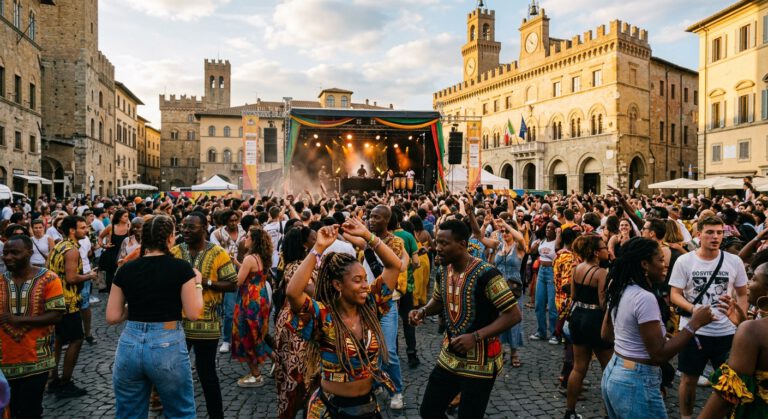
3 Step emerged from Johannesburg’s township communities and the informal outdoor events known locally as backyards or kasi raves. These grassroots gatherings, often held in residential areas with rented sound systems, created a feedback loop between producers and dancers that shaped the genre’s rhythmic DNA in real time. Parallel scenes developed in Zimbabwe and Botswana, but Joburg remains the epicenter.
DJ Maphorisa, one of South Africa’s most prominent producers, has spoken publicly about moving across genres including house, gqom, Afrobeats, and Amapiano, describing his willingness to experiment as a response to creative stagnation. That restlessness mirrors the broader Southern Africa club scene’s refusal to stay in one sonic lane, a culture where 3 Step could emerge naturally alongside its sibling genres.
Which Cities Are 3 Step’s Ground Zero?
Johannesburg is the undisputed home of 3 Step, with Soweto and surrounding townships serving as the primary incubators. The 3 Step origin cities extend into Harare and Gaborone, where local producers adapted the template to their own dance cultures. But Joburg’s density of producers, dancers, and informal event infrastructure gives it a gravitational pull the other cities orbit around.
What Venues Shaped the 3 Step Sound?
3 Step venues in Southern Africa aren’t clubs in the Western sense. They’re backyards, open lots, rented community halls, and taxi ranks with oversized speaker stacks. I’ve seen footage of these events where the PA is louder than anything you’d hear at a mid-size European festival, crammed into a space the size of a parking lot. The intimacy and volume together created a sound designed to be felt in the chest, not just heard through headphones.
How Do Township Parties Influence 3 Step Production?
Township parties shaped 3 Step production by demanding tracks that worked for specific physical spaces: loud, bass-heavy, and rhythmically locked to the dancers in front of the speaker. Producers watched how crowds moved and adjusted their next session accordingly. This performer-audience feedback loop, where the dancer is essentially co-producing the genre’s evolution, is largely absent from Western electronic music development. It’s closer to how Chicago footwork evolved in battle circles than anything happening in a Berlin studio.
The Sonic Architecture of a 3 Step Track
A typical 3 Step track features a punchy kick aligned to the three-step footwork sequence, layered with sharp hi-hats, deep sub-bass, and melodic synth stabs. Vocal chops and African-language ad-libs function as rhythmic texture rather than melodic lead. The production aesthetic prioritizes groove and physicality over atmospheric depth, and tracks are generally produced between four and seven minutes to accommodate extended DJ mixing.
The sound is raw by design. Where Western electronic production chases clarity and separation, 3 Step production often embraces a slightly overdriven, compressed quality that translates better on the PA systems these tracks were built for. Clean mastering is secondary to impact.
What Instruments and Samples Build 3 Step?
3 Step instruments and samples lean heavily on synthesized percussion, punchy 808-style kicks, and sharp digital hi-hats. Melodic elements come from synth stabs and vocal chops rather than live instrumentation. Sample packs tailored to the genre are beginning to circulate, but many producers still build their kits from scratch, pulling from a shared sonic vocabulary that gets passed through WhatsApp groups and local file-sharing networks.
How Do 3 Step Producers Structure a Track?
3 Step track structure follows a DJ-centric logic: extended percussive intros, a build into the main groove, and long outros designed for seamless blending. The drop isn’t a dramatic EDM-style moment; it’s a tightening of the rhythmic pattern that signals the dancers to shift gear. Breakdowns are sparse. The energy stays high and continuous, which makes these tracks effective in late-night sets where momentum matters more than surprise.
What Software Do 3 Step Producers Commonly Use?
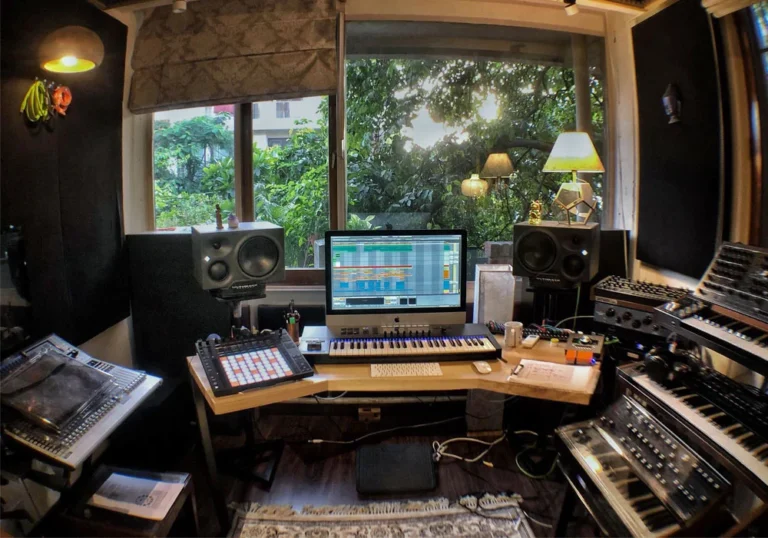
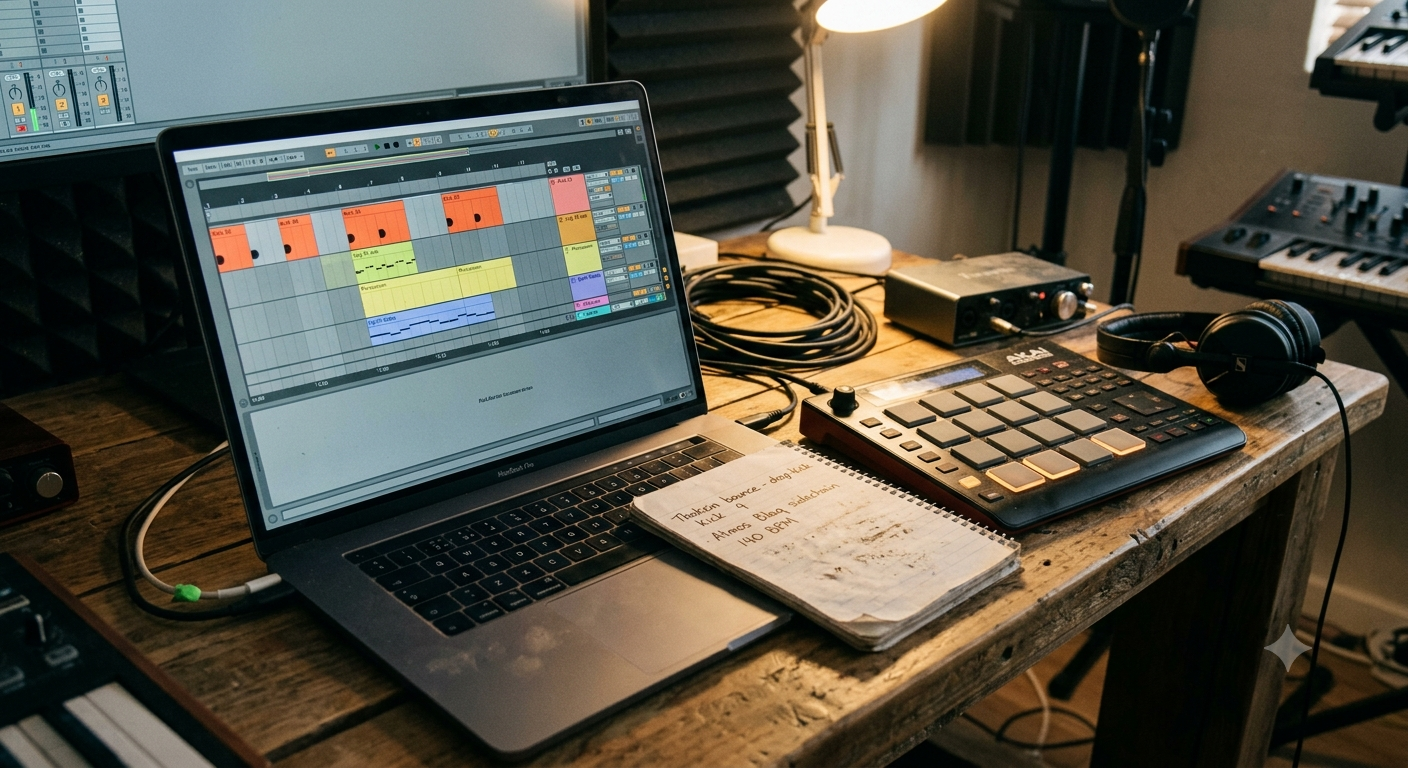
FL Studio dominates the 3 Step producer software conversation, consistent with its popularity across Southern African electronic music production more broadly. Much of gqom, as documented in Bandcamp Daily’s gqom scene report, was produced on cracked software in bedroom studios, and 3 Step follows a similar DIY production path. Ableton has a smaller but growing presence among producers oriented toward international release.
How 3 Step Is Spreading Into New York and London
3 Step has begun surfacing in New York and London club lineups as part of a broader wave of African electronic music gaining international traction. Diaspora DJs and promoters are central to this expansion, booking 3 Step sets at nights that previously focused on Afrobeats or Amapiano. South London neighborhoods and Brooklyn have been among the earliest adopters of the sound.
The pathway mirrors what happened with Afro house’s European expansion: diaspora communities build the initial audience, local DJs pick up on the energy, and the sound bleeds into adjacent programming. I watched a room in Peckham go from polite two-stepping to full-commitment footwork the moment a 3 Step set kicked in. That physical immediacy translates across cultural lines faster than any marketing campaign.
Which DJs Are Bringing 3 Step to Western Clubs?
The 3 Step DJs reaching Western clubs are primarily South African diaspora selectors who split time between Johannesburg and London or New York. They’re booking slots at African music nights and introducing 3 Step into sets that already include Amapiano and Afro house, using the genre’s higher BPM as a peak-time escalation tool. The crossover is happening DJ bag by DJ bag, not through label campaigns.
What London and New York Venues Are Booking 3 Step?
3 Step venues in London and New York are still mostly community-run nights rather than established club residencies. South London spots in Brixton and Peckham host regular African electronic music events where 3 Step appears alongside other Southern African sounds. In Brooklyn, warehouse parties and cultural center events serve the same function. The genre hasn’t hit the Fabric or Nowadays tier yet, but the floor-level infrastructure is building fast.
How Is Social Media Accelerating 3 Step’s Global Reach?
Short-form video is the primary accelerant for 3 Step social media viral growth. TikTok and Instagram Reels compress the cycle through which a dance clip from Soweto reaches a London bedroom producer within hours. The genre’s visual hook, that three-count footwork, translates instantly on a phone screen. Amapiano’s global success opened the algorithmic pathway; 3 Step is walking through the door it left open.
Key Artists and Labels Defining 3 Step Right Now
The 3 Step scene is still producer-led rather than artist-led, with a cluster of Johannesburg-based beatmakers driving the genre’s sonic evolution. Several producers have built significant followings through SoundCloud and Audiomack before any formal label involvement. The infrastructure resembles Tokyo’s footwork scene in its early phase: tight community, shared aesthetic, no dominant star yet.
Major label interest in 3 Step is in its early stages, mirroring the trajectory Amapiano followed before its commercial breakthrough. Independent African labels and diaspora-run imprints are currently the primary release infrastructure, giving 3 Step artists greater creative control as global demand begins to build.
Who Are the Leading 3 Step Producers to Know?
The leading 3 Step producers operate largely through social media and direct file distribution rather than traditional release cycles. Names circulate through WhatsApp groups, SoundCloud reposts, and Audiomack playlists before they ever appear on Spotify. This grassroots distribution model means the most influential producers are often better known by their local reputation than by streaming metrics.
Which Labels Are Releasing 3 Step Music?
3 Step record labels are predominantly independent South African imprints and self-release operations. No single label has consolidated the genre the way Gqom Oh! did for gqom’s international push. That absence of a gatekeeping label is both a structural weakness and a creative strength: it keeps the sound decentralized and resistant to homogenization, but it also means international distribution remains fragmented.
How Are 3 Step Artists Building International Audiences?
3 Step artists building international audience growth rely on platform-native strategies: consistent uploads to Audiomack and SoundCloud, dance challenge clips on TikTok, and direct engagement with diaspora communities in London and New York. The model bypasses traditional PR entirely. I’ve tracked producers who went from 200 followers to 20,000 in under six months purely through dance video reposts. The music spreads because the movement spreads.
Why 3 Step Could Be the Next Global Club Genre
3 Step has several structural advantages favoring a global breakout: a physically compelling dance hook, a distinctive sound identity, and a proven Southern African pipeline that already delivered Amapiano to the world. Its tempo and energy profile align well with global club programming trends moving away from slower, atmospheric sounds. Unlike Afrobeats, which is song and vocal-driven, 3 Step is fundamentally a DJ and dancefloor genre, making it more analogous to UK garage or Chicago footwork in its expansion model.
That DJ-first identity means 3 Step’s growth will be club-first and streaming-second. Slower, but more durable. The genre doesn’t need a pop crossover hit to sustain itself; it needs consistent floor-level adoption in cities with active African diaspora communities and adventurous club programmers.
What Makes 3 Step Culturally Exportable Globally?
3 Step’s cultural exportability rests on its physical immediacy. You don’t need to understand the language or the cultural context to respond to the three-count footwork pattern; your body recognizes it before your brain processes it. That kinetic universality, combined with a BPM range that slots naturally between house and techno sets, makes it programmable for DJs across genre lines. The dance is the marketing.
How Does 3 Step Compare to Amapiano’s Global Rise?
The 3 Step vs Amapiano global rise comparison reveals a key difference in crossover mechanics. Amapiano broke through via vocal-led tracks that worked on streaming playlists and radio. 3 Step lacks that vocal hook, which means its crossover moment will look different: less “song of the summer,” more “sound of the room.” That’s a harder path to mainstream visibility but a stronger foundation for club-culture longevity. Gqom followed a similar trajectory, as Bandcamp Daily’s 2026 scene report documents, spreading through DJ culture before reaching broader audiences.
What Barriers Could Slow 3 Step’s International Growth?
The primary 3 Step international growth barriers are infrastructural, not sonic. Fragmented distribution, lack of a consolidated label ecosystem, and limited access to international booking networks all constrain the genre’s expansion. Visa restrictions for South African artists touring Europe and North America add a practical friction that Western genres never face. The sound is ready. The pipeline isn’t, yet.