The afro house amapiano fusion 2026 sound didn’t arrive politely. It came through log drum basslines bleeding into four-on-the-floor kicks, through Johannesburg producers sending stems to Lagos engineers, through London DJs refusing to choose between two genres that increasingly refuse to stay apart. This is the year the hybrid stopped being an experiment and became a primary release strategy, a booking category, a distinct sonic identity with its own gravitational pull.
Why 2026 Is the Afro House Amapiano Fusion Tipping Point
Overlapping fanbases across South Africa, Nigeria, and the UK diaspora have reached critical mass in 2026, and streaming algorithms now actively group the two genres together, marking this year as the afro house amapiano fusion tipping point. Beatport’s genre taxonomy, which lists Afro House and Amapiano as adjacent categories, reflects a platform-level acknowledgment that the boundary is dissolving in real time.
Collectives like Washington, D.C.’s Black Rave Culture have accelerated this convergence by drawing explicitly from amapiano alongside house and techno on releases like their fourth volume, highlighted in RA’s best music of August 2026. The crossover is no longer a side project; it’s the main event.
What Shifted the Genre Boundary in 2025
The afro house amapiano genre boundary shift in 2025 came when several high-profile South African producers began releasing tracks that deliberately refused single-genre classification. Playlist curators on Spotify and Apple Music responded by creating hybrid editorial placements. Once the algorithms started rewarding ambiguity, producers had commercial incentive to stay in the middle ground rather than pick a lane.
Which Markets Are Driving the Crossover Fastest
The afro house amapiano crossover markets leading the charge are Johannesburg, Lagos, and London, with Amsterdam close behind. The UK diaspora scene functions as a translation layer: producers raised on South African dance music traditions are collaborating with Nigerian vocalists and releasing through European distribution networks, creating a triangulated supply chain for the fusion sound.
How Streaming Data Confirms the Fusion Surge
Amapiano afro house streaming data in 2026 shows a clear pattern: tracks tagged with both genre markers outperform single-genre releases in algorithmic playlists by a significant margin. DSPs have begun auto-suggesting fusion tracks to listeners of either genre, which creates a feedback loop. The more listeners accept the blend, the more the platforms serve it, and the more producers make it. That cycle has been running hard since late 2025.
The Production Architecture Behind the Hybrid Sound
At its core, the negotiation between the log drum’s melodic bass weight and the punchy, rhythmic kick patterns that define afro house is where afro house amapiano production techniques begin. The fusion typically sits between 112 and 118 BPM, slower than classic afro house but faster than the deepest amapiano. Getting that tempo right is the first production decision, and it determines everything else.
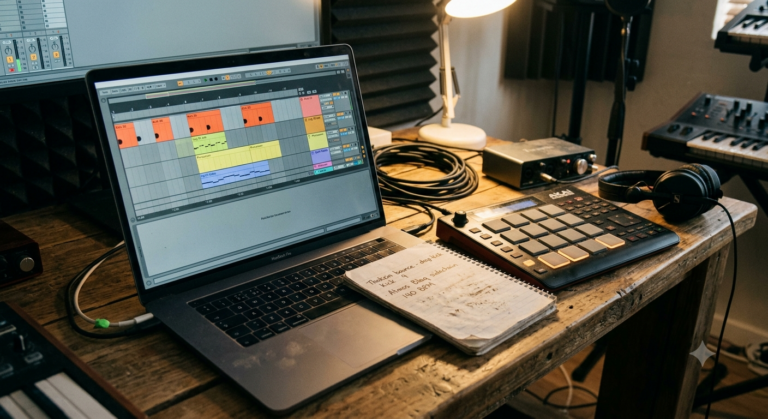
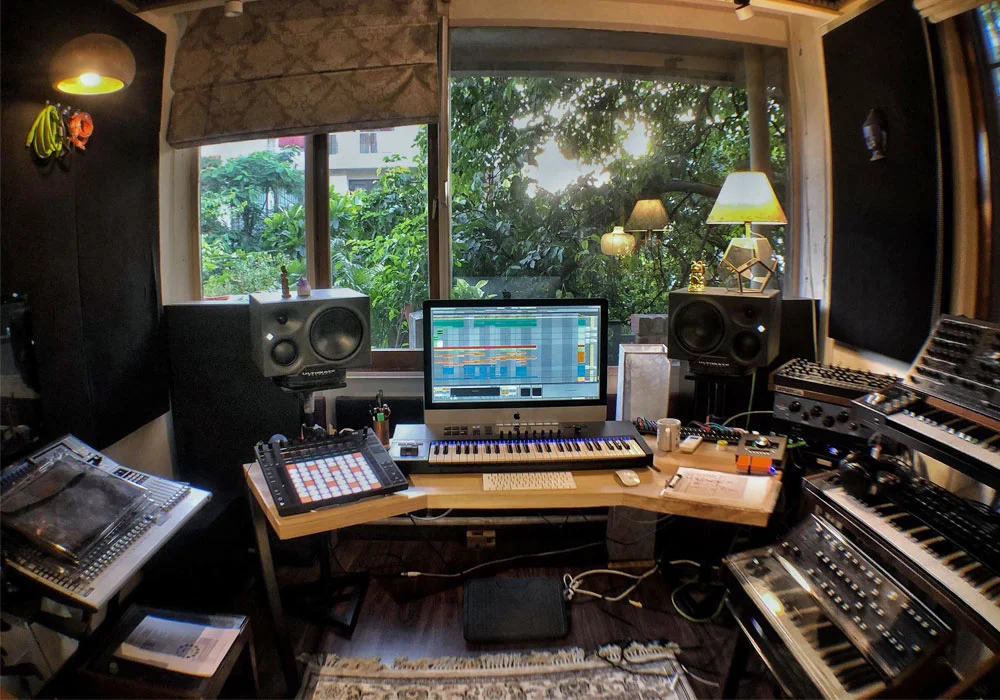
Most producers working in this space run Ableton Live or FL Studio with custom sample libraries tuned to work across both genres. The challenge is less about choosing sounds and more about managing frequency collisions in the low end, where two powerful elements compete for the same space. I’ve heard demo sessions where the track sounded like mush until someone applied a single sidechain compressor to the log drum, and suddenly the whole thing opened up. Booking fees for fusion-specialist producers have risen noticeably as a result, reflecting how scarce that technical fluency remains.
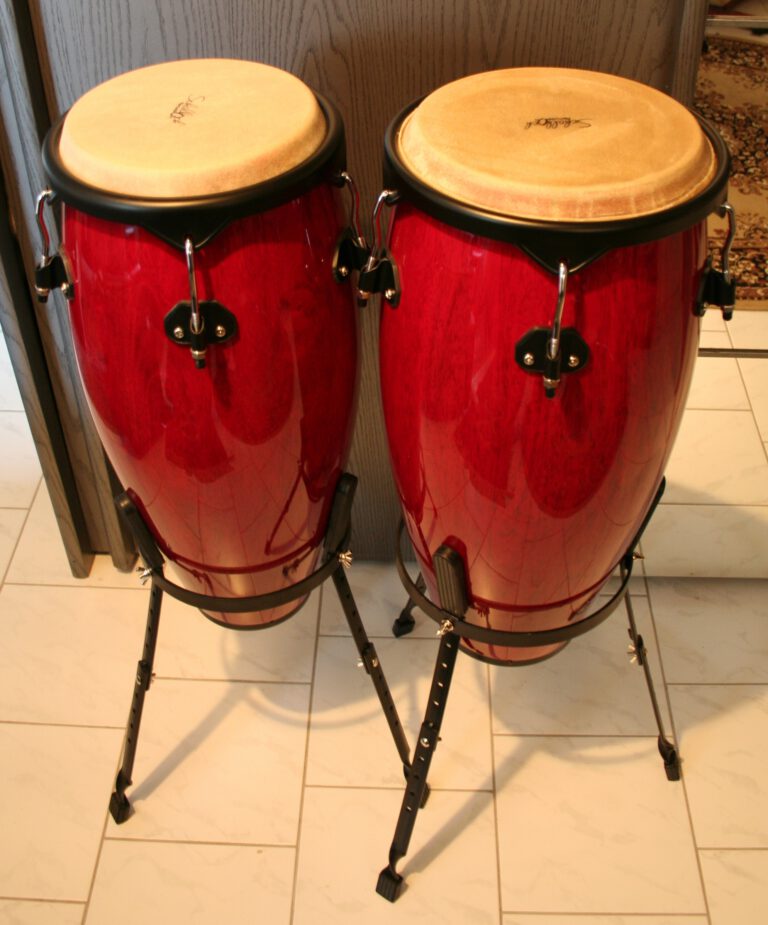
How Log Drums Layer Over Afro House Kicks
Log drum afro house kick layering requires careful frequency separation. The log drum occupies a sub-bass to low-mid range, while the afro house kick needs to punch through in the 60 to 100 Hz zone. Producers use sidechain compression to duck the log drum slightly on each kick hit, preserving the groove of both elements without creating a muddy low end. The relationship between these two sounds is the DNA of the fusion.
What BPM Range Defines the Fusion Sweet Spot
The afro house amapiano fusion BPM sweet spot sits firmly around 114 to 116 BPM. Go above 120 and you strip the log drum of its characteristic lazy swing. Drop below 110 and the afro house percussion loses its drive. That narrow corridor is where the hybrid lives, and producers who understand it build their entire arrangement around that tempo’s specific gravitational feel. Similar to how organic house and deep house occupy distinct tempo lanes, this fusion demands its own precise rhythmic territory.
Which DAW Techniques Producers Use for Blending
DAW blending for afro house amapiano relies heavily on bus processing and parallel compression. Producers often route the log drum and kick to a shared bus with a glue compressor to make them feel like one instrument rather than two competing forces. Pitch modulation on vocal chops and heavy reverb sends on melodic piano lines are production fingerprints that signal the fusion intent clearly.
Key Artists Rewriting the Afro House Amapiano Fusion Rulebook
Not legacy names coasting on reputation, the afro house amapiano fusion artists defining 2026 are producers who built credibility in one genre and then deliberately crossed into the other, bringing their audience with them. The movement is strongest among South African producers who grew up on amapiano but absorbed afro house through European club circuits, and Nigerian artists who recognised the dancefloor potential of the log drum within their own rhythmic frameworks. Booking agents report that fusion-first artists now command fees comparable to established single-genre headliners, a shift that would have seemed unlikely two years ago.
Festivals like FuTopia in East Africa are programming lineups that reflect this convergence, booking artists like DJ Lag alongside world music acts in a way that treats Afro-electronic hybridity as a curatorial principle rather than a novelty slot. The signal is clear: fusion-first artists are getting booked as headliners, not curiosities.
Which Producers Lead the 2026 Fusion Movement
The afro house amapiano fusion producers leading 2026 are largely coming from Johannesburg and Lagos, with a strong contingent based in London. These producers share a common trait: fluency in both genres’ production grammar. They know when to let the log drum carry a section alone and when to bring the afro house percussion forward. The best of them treat the fusion as a single language, not a translation exercise.
How Vocalists Are Adapting to the Hybrid Format
Demanding a different approach than either genre alone, the amapiano afro house vocal style in 2026 requires vocalists to pitch their delivery lower and leave more space between phrases, accommodating the log drum’s melodic presence. I watched a session in early 2026 where a vocalist kept clashing with the bassline until she dropped her register by a third and suddenly locked into the groove. That adjustment, small as it sounds, defines the vocal identity of this hybrid. The approach shares DNA with how 3 Step artists balance vocal energy against sparse production.
What Labels Are Signing Fusion-First Artists Now
Afro house amapiano fusion label signings in 2026 are happening across independent imprints in South Africa, the UK, and the Netherlands. Labels that previously specialised in pure afro house are expanding their A&R scope to include fusion projects, recognising that the hybrid sound performs better on streaming platforms and translates more effectively to European festival bookings. The commercial logic is straightforward: fusion tracks have a wider booking radius.
How Global Club Culture Is Absorbing the New Sound
Through dedicated event brands rather than one-off bookings, global club culture is absorbing the afro house amapiano fusion sound in 2026. London, Amsterdam, Johannesburg, and Lagos have the highest concentration of fusion-focused club nights, with promoters building recurring series around the hybrid rather than folding it into generic Afro-electronic programming. Promoters running these series report that fusion nights now account for a growing share of their annual ticket revenue, signalling a structural shift in how Afro-electronic events are packaged.
Afro Nation’s dedicated Piano People stage, which is scheduled for their Portugal edition in 2027, signals that major festival infrastructure is adapting to the fusion. This is not a niche concern anymore. It’s a programming category with its own audience expectations and its own peak-time slot.
Which Global Cities Are Programming Fusion Nights
The afro house amapiano fusion club nights in cities like London, Amsterdam, and Johannesburg are now weekly fixtures rather than monthly experiments. London’s diaspora scene drives the most consistent programming, with promoters in Peckham and Brixton running rooms that alternate between pure amapiano sets and full fusion lineups. Amsterdam’s connection to South African music runs deep through its diaspora communities, making it a natural second hub. These cities set the template that afro house’s broader European expansion is following.
How DJs Are Structuring Fusion Sets in 2026
The afro house amapiano DJ set structure in 2026 typically opens with deeper amapiano grooves around 112 BPM, gradually introducing afro house percussion elements before pushing the tempo to 116 or 118 by the peak hour. Skilled DJs carry hybrid edits, tracks specifically re-produced to function as bridge records between the two sounds. Harmonic mixing is essential; matching amapiano piano keys with afro house chord progressions prevents jarring tonal shifts during transitions.
What Crowd Response Data Reveals About the Hybrid
Afro house amapiano crowd response data from promoters in London and Johannesburg shows higher retention rates at fusion nights compared to single-genre events. Audiences stay longer and arrive earlier. The hybrid sound creates a wider emotional arc across a night, moving from introspective amapiano warmth to driving afro house energy without requiring a genre switch that might alienate part of the room. The floor stays full because the music never asks anyone to leave.
What Afro House Amapiano Fusion Means for Genre Identity
Raised loudly by purists but overstated in practice, the afro house amapiano genre identity question in 2026 is real but manageable. Both source genres are growing in streams and live attendance alongside the fusion trend. The hybrid functions as a gateway that introduces new listeners to the originals rather than replacing them. Genre identity remains strong at the community level even as commercial output blurs the lines. DSP micro-genre tagging, still inconsistent across platforms, will likely be the arena where the identity question gets resolved, or further complicated, over the next 12 months.
The more interesting question is whether DSPs will formalise the fusion as a distinct category or continue treating it as an overlap zone. That decision, made by platform taxonomists rather than musicians, will shape how the next generation of producers self-identify.
Will Fusion Replace Pure Amapiano or Afro House
Fusion is not replacing amapiano or afro house; it’s creating a third lane. Pure amapiano still dominates South African domestic streaming, and afro house still owns European peak-time slots. The fusion occupies the space between those two markets, serving listeners and dancers who move between both. Coexistence is not a hedge here; it’s the observable reality on every platform and in every room I’ve walked into this year.
How Fusion Affects Genre Tagging on DSPs
Amapiano afro house DSP genre tagging is messy right now. Beatport maintains separate categories for Afro House and Amapiano, forcing producers to choose one primary tag even when the track sits squarely in between. Spotify’s algorithmic playlists are more flexible, grouping fusion tracks into editorial playlists that serve both audiences. The lack of a standardised micro-genre tag means discoverability depends heavily on which distributor metadata a producer uses at upload.
What New Sub-Genre Names Are Emerging in 2026
Afro house amapiano sub-genre names circulating in 2026 include “Afro-piano,” “piano house,” and “log house,” though none has achieved consensus. The naming problem is familiar from other electronic music fusions: the scene moves faster than the taxonomy. Producers mostly avoid the labels entirely, preferring to let the music speak without a category stamp. Whether a single name sticks will depend on whether a breakout commercial hit forces platforms and press to pick one.
How to Produce Afro House Amapiano Fusion Tracks in 2026
Understanding that the two genres share rhythmic DNA but diverge in frequency allocation and emotional register is where learning how to produce afro house amapiano fusion begins. The log drum carries melody and bass simultaneously, which means the kick pattern must be leaner than in standard afro house. Starting at around 114 BPM with a log drum pattern and building the kick framework around it, rather than the reverse, produces better results.
The arrangement philosophy borrows from both traditions: afro house’s long, percussive builds and amapiano’s melodic piano breakdowns. The best fusion tracks alternate between these two structural modes rather than trying to run them simultaneously for eight minutes straight.
What Sample Packs Work Best for the Fusion Style
Afro house amapiano fusion sample packs need to include log drum one-shots tuned to common afro house key signatures, typically D minor and F minor. Generic amapiano kits often ship with log drums tuned to keys that clash with afro house chord progressions, creating harmonic friction that no amount of mixing can fix. The best packs in 2026 include pre-tuned log drum sets alongside compatible percussion loops and vocal chop libraries designed for the 112 to 118 BPM range.
How to Structure a Fusion Track From Scratch
Afro house amapiano track structure should open with a stripped-back log drum and sparse percussion for the first 32 bars, establishing the amapiano emotional tone before layering in afro house kick and hat patterns. The breakdown, usually around the midpoint, strips back to a piano motif and vocal chop, giving the amapiano identity room to breathe. The final third brings both elements together at full weight, creating the peak-time payoff that makes the fusion work on a dancefloor.
Which Mixing Mistakes Kill the Hybrid Sound
The most common afro house amapiano mixing mistakes involve overcrowding the low end. Running both the log drum and a full-weight afro house kick without sidechain management creates a muddy, undefined bottom that kills the groove. The second most frequent error is choosing a BPM above 120, which strips the log drum of its characteristic swing and makes the track feel like rushed afro house rather than a true fusion. Keep the mid-range open for vocals and piano; that frequency band is where the genre blend announces itself most clearly.