Something sharp is happening in Tokyo’s underground. A producer named Oyubi is collapsing the space between Chicago-rooted footwork and European techno into something that feels entirely native to the concrete sprawl of Shimokitazawa and Shibuya. His debut album, White birch burns, arriving June 24th on Trekkie Trax, is the clearest statement yet that Tokyo footwork techno Oyubi is not a novelty crossover; it is a genre forming in real time, with its own grammar and its own emotional stakes.
The Evolution of Tokyo Footwork Sounds
Tokyo footwork takes the rapid-fire rhythmic architecture of Chicago juke, typically locked around 160 BPM, and refracts it through Japan’s own club sensibilities: tighter sample edits, more melodic layering, and a restless hunger for genre collision. The sound has been building since the early 2010s, but 2026 marks the moment it steps from niche curiosity into a recognizable movement with international label support and dedicated venue nights.
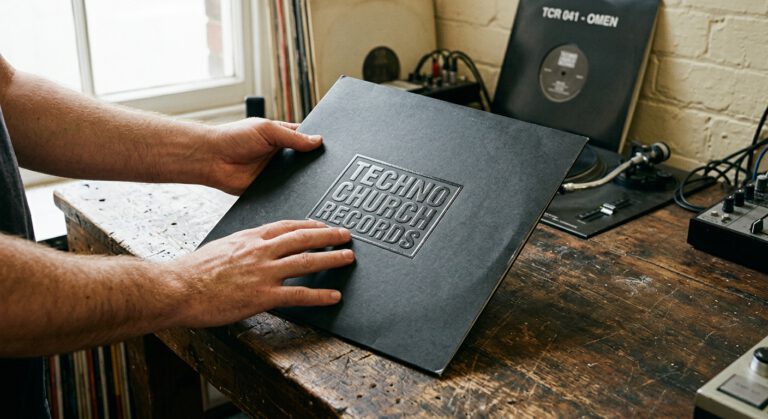
Labels like Trekkie Trax have been central to this shift, providing a release infrastructure that connects Tokyo producers to global distribution while keeping the aesthetic rooted in local club culture. The result is a scene that owes as much to Akihabara’s sample-heavy sonic maximalism as it does to the South Side of Chicago.
What defines Tokyo footwork music?
Tokyo footwork music is defined by its breakneck tempos, hyper-chopped vocal samples, and a willingness to absorb influences from anime soundtracks, J-pop fragments, and UK bass music. Where Chicago footwork often strips back to rhythm and repetition, Tokyo producers pack more harmonic information into each bar. The density is the point. I’ve heard sets in basement clubs near Sangenjaya where three genres dissolve into one track and nobody on the floor blinks.
Key influences in Tokyo’s music scene
Tokyo music influences run deep: the city’s club ecosystem has always been a pressure cooker for genre hybridization. Noise, ambient, hardcore punk, and IDM all share venue bills on any given weekend. This cross-pollination means a footwork producer like Oyubi can absorb dubstep’s low-end weight, techno’s structural discipline, and hip-hop’s swagger without any of it feeling imported. It is all already in the water supply. Similar patterns of regional genre fusion have surfaced in Venezuela’s raptor house movement, where local rhythmic DNA reshapes global electronic templates.
Oyubi’s Unique Blend of Genres
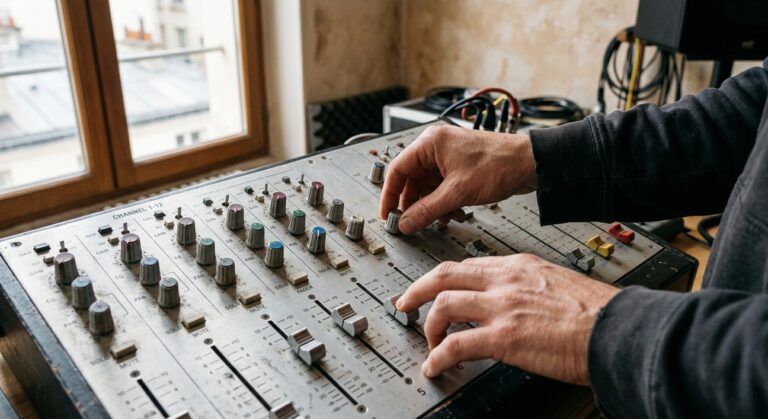
Oyubi merges footwork and techno by treating rhythm as architecture rather than decoration. Across the 12 tracks on White birch burns, he builds structures where footwork’s syncopated kick patterns interlock with techno’s linear drive, creating a push-pull tension that keeps the body guessing. The album also folds in hip-hop, dubstep, and jungle, but the footwork-techno axis is the load-bearing wall. The Oyubi music style is not about switching between genres; it is about making them coexist in a single groove.
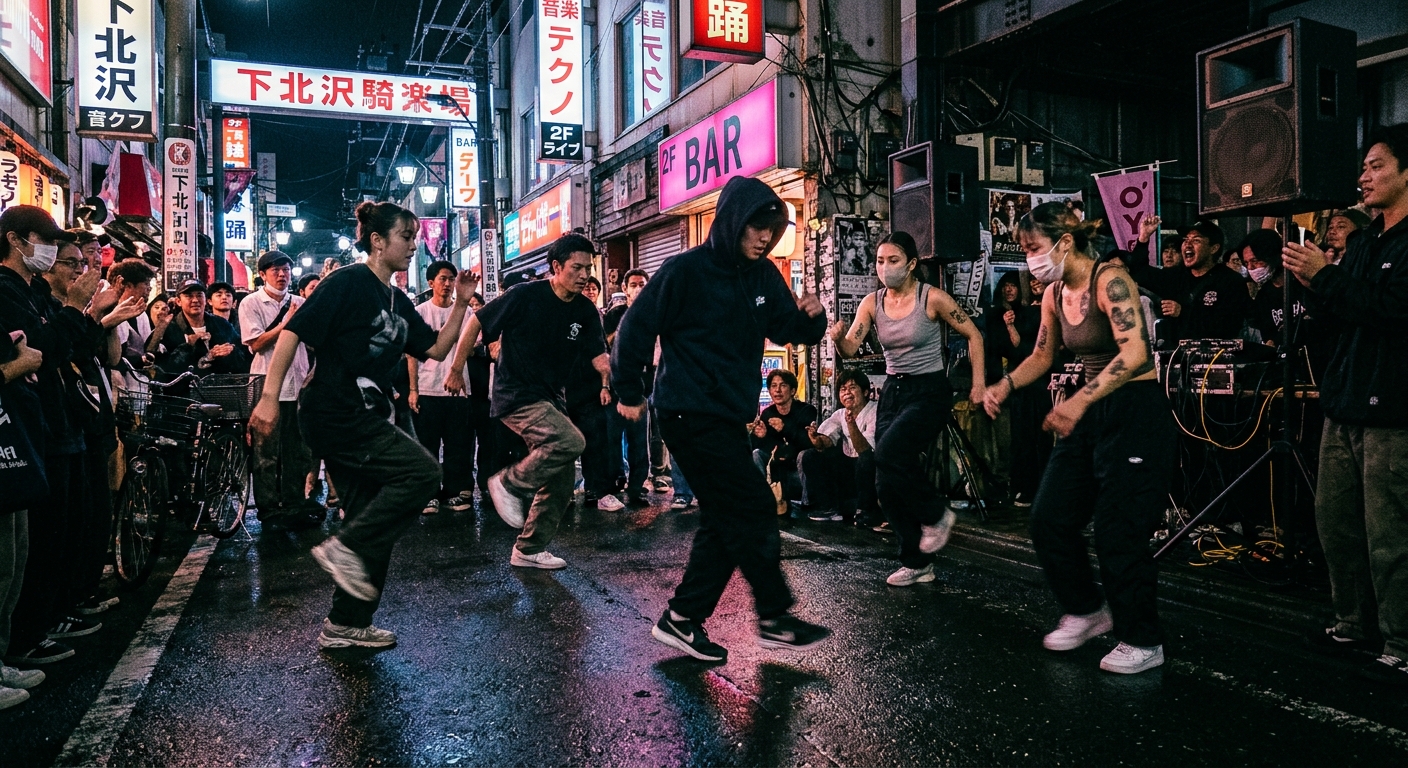
What makes this work is restraint. Oyubi, who began DJing and producing in 2017 and also competes as a footwork dancer at events like Battle Train Tokyo, understands physical movement. He knows when a syncopation needs to resolve and when it should hang in the air. That dancer’s instinct separates his productions from academic genre experiments that sound clever but empty a room.
How does Oyubi merge footwork and techno?
Oyubi’s genre fusion operates at the structural level. Tracks like “Kernelpanik!” use techno’s relentless forward motion as a chassis, then layer footwork’s jittery, off-grid percussion on top, creating rhythmic interference patterns that feel unstable in the best possible way. The effect is closer to early Aphex Twin’s drum programming than to a simple genre mash-up. He is building a third thing, not splitting the difference between two existing ones.
The role of jungle in Oyubi’s music
Jungle in Oyubi’s music provides the connective tissue between footwork’s polyrhythmic density and techno’s momentum. The breakbeat chops and sub-bass pressure native to jungle give his tracks a warmth and unpredictability that pure techno often lacks. The album track “Mood organ,” featuring his Turing label co-runner Fetus, leans into this territory. I’ve noticed that producers who understand jungle’s internal logic, its way of making chaos feel inevitable, consistently make the most convincing crossover work. Oyubi is no exception. For a different angle on how dub and minimal techno bridge separate sonic worlds, the parallels are worth considering.
The Impact of Oyubi on Tokyo’s Scene
Oyubi is shaping Tokyo’s music culture by proving that the city’s underground can produce genre-defining artists, not just genre-adjacent ones. His album release party, an open-to-close set at Live Haus in Shimokitazawa on July 11th, signals a confidence that a single artist can hold a room for hours on this hybrid sound. That kind of booking only happens when a local scene believes in the music enough to show up for the full duration.
His influence extends beyond his own releases. The Turing label, which he co-runs with Fetus, functions as a curatorial platform for Tokyo producers working at similar intersections. It is a small operation, but small operations are how scenes crystallize. The pattern echoes what happened in China’s techno underground, where a handful of committed artists built infrastructure before international attention arrived.
How is Oyubi shaping Tokyo’s music culture?
Oyubi’s cultural impact comes from demonstrating that Tokyo’s footwork scene can produce album-length artistic statements, not just club tools and one-off singles. White birch burns is a deeply personal record; its title references okuribi, an Obon festival tradition observed in Komade-ike, Nagano prefecture, where white birch branches are burned to send off the spirits of the dead. The album reflects on Oyubi’s childhood memories and his deceased father. That level of emotional specificity, threaded through 160 BPM rhythm programming, raises the bar for what Tokyo footwork can carry as a form, as Resident Advisor noted ahead of the release.
Collaborations that define Oyubi’s sound
Oyubi collaborations center on his partnership with Fetus, who features on the album and co-runs Turing. Their working relationship is less about guest spots and more about shared infrastructure: label decisions, A&R instincts, and a mutual understanding of where footwork’s boundaries should be pushed. This kind of tight creative partnership, two people building a label and a sound simultaneously, produces more coherent results than scattered features with bigger names. The Turing imprint, small as it is, gives both artists editorial control that a larger label would dilute.
Future Trends in Tokyo Footwork Techno
The future of Oyubi’s music points toward deeper integration of narrative and rhythm. White birch burns already treats the album format as a space for autobiography, not just a collection of dancefloor tracks. If the record connects internationally through Trekkie Trax’s distribution reach, expect more Tokyo producers to pursue long-form projects that balance club functionality with personal storytelling. The footwork evolution happening here is less about tempo experiments and more about emotional range.
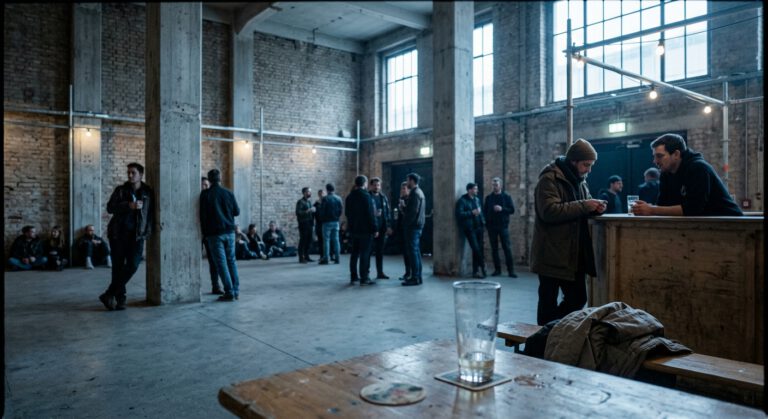
Tokyo’s position as a hub for genre innovation in electronic music is strengthening. The city’s club infrastructure, from intimate basement venues to mid-capacity rooms like Live Haus, supports the kind of risk-taking that larger markets often punish. Artists here can test hybrid sounds on educated, patient crowds before committing them to wax or digital release.
What lies ahead for Oyubi’s music?
Future projects from Oyubi will likely expand the sonic palette established on White birch burns. The album’s range, from noise-inflected tracks like “Eye shaker” to the introspective “Komade-ike,” suggests an artist who is not interested in repeating a formula. His dual identity as dancer and producer gives him a feedback loop most electronic musicians lack: he tests his own music with his body before anyone else hears it. That physical editing process will keep his output grounded even as the ambitions grow. Producers exploring similar emotional depth within electronic frameworks are part of the same broader shift.
Emerging artists to watch in Tokyo
Upcoming Tokyo artists worth tracking include the wider Turing roster and producers orbiting the Trekkie Trax ecosystem, where footwork, bass music, and techno collide regularly. Fetus is the most obvious name, given the collaborative relationship with Oyubi, but the broader Tokyo underground is producing a generation of artists who treat genre boundaries as suggestions rather than walls. The city’s techno developments in 2026 feel less like a trend and more like the early stages of a movement that will look obvious in retrospect. Right now, it still has the energy of something being built in real time, which is exactly when it matters most to pay attention.