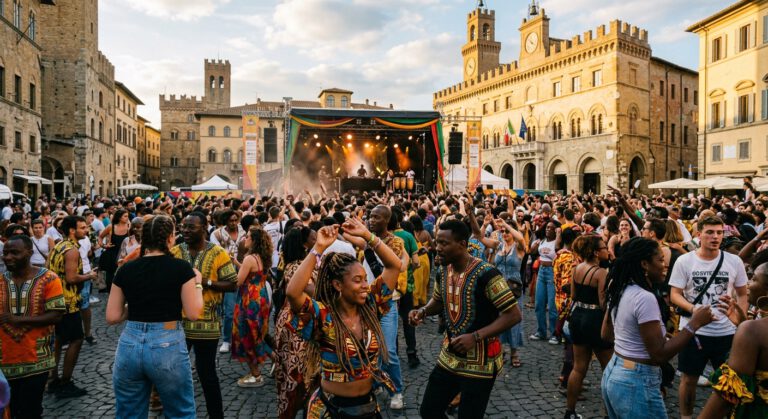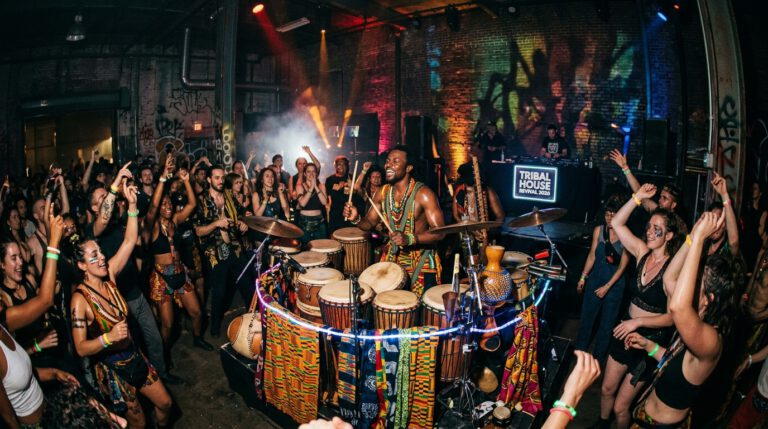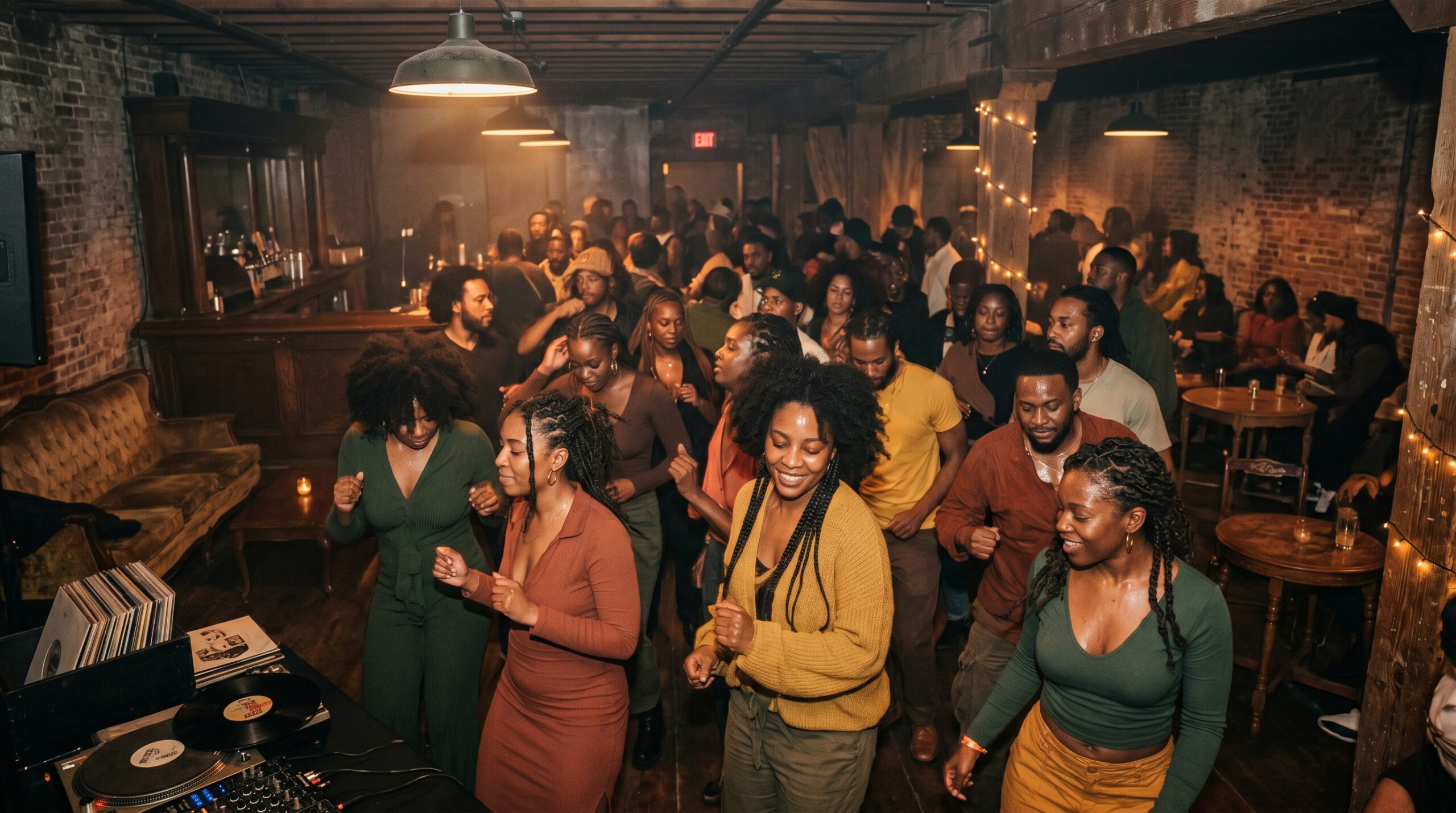
Something is shifting in American club culture, and Boston is at the centre of it. The city has never been the obvious answer when someone asks where underground electronic music is breaking new ground in the US, but that assumption is getting harder to hold. Afro house Boston United States 2026 is not a search term that existed in any meaningful volume three years ago. Now it points to a real, developing scene: specific venues, named artists, international headliners touching down for debut performances, and institutional bodies lending the music genuine cultural weight. This is not a trend arriving from New York. It is something Boston is building on its own terms.
The Rise of Afro House in America
Afro House in America did not arrive through mainstream radio or festival main stages. It moved through diaspora communities first, through the kind of word-of-mouth that travels between people who already know the music from somewhere else. South African producers and DJs had been building international audiences through European club circuits for years before American promoters started paying attention. The genre’s growth in the US is inseparable from that international groundwork: a sound that had already proved itself in Johannesburg, London, and Amsterdam arrived in American cities with a cultural authority that purely domestic genres rarely carry.
What is Afro House Music?
At its core, Afro house music is a synthesis of deep house architecture and African rhythmic tradition. The genre is defined by its percussive density, deep rolling basslines, and the incorporation of African instrumentation and vocal textures into a four-to-the-floor framework. What separates it from generic deep house is the polyrhythmic complexity underneath the kick: the percussion does not just keep time, it carries melody. Amapiano sits in an adjacent space, sharing roots and sometimes overlapping on the same dancefloor, but Afro house is harder, more insistent, and more directly connected to South African club culture in its purest form.
Why is Afro House Popular Now?
Several forces converged to accelerate Afro house popularity in the US at this particular moment. Streaming platforms collapsed the geographic distance between South African township sounds and American listeners. Artists like Zakes Bantwini, whose productions have reached Grammy recognition, gave the genre a visible international profile. And crucially, the post-pandemic appetite for music with genuine emotional and physical stakes pushed listeners towards sounds that demand full-body engagement. Afro house delivers exactly that. The genre does not ask you to stand still and appreciate it. It asks you to move, and that physical directness is its strongest argument in any room.
Boston’s Afro House Scene Overview
Boston’s relationship with Afro house has developed quietly but with real momentum. The city’s scene is not trying to replicate New York’s volume or Los Angeles’s production scale. What it has instead is a tighter, more community-rooted infrastructure: a small number of promoters and DJs who know exactly what they are building and why. The cost of that intimacy is real, though. Smaller rooms mean smaller sound systems, and the genre’s low-end architecture suffers when the bass cannot breathe properly. That tension between intimate community character and the sonic demands of the music is the central challenge Boston’s scene is actively navigating in 2026.
Where to Experience Afro House in Boston?
Afro house venues in Boston are concentrated rather than scattered, which is both a strength and a limitation. Descent, located at 33 Dunster Street in Cambridge, has emerged as the city’s most consistent home for the genre. The venue has hosted events that bring together local talent and international headliners under the same roof, which is rare for a city at this stage of scene development. The Riddim House collective has used Descent as its primary base, programming nights that span Afro house, amapiano, and global club sounds. For anyone asking where to find the music in Boston right now, Descent is the honest answer.
Who are Key Artists in Boston?
Boston Afro house artists building the scene from the inside include DJs BLXSS, YHS, and Slick Vick, all three of whom have performed at Descent under the Riddim House banner. These are not names borrowed from another city’s scene: they are local practitioners who have been developing their sound within Boston’s specific cultural context. The Riddim House collective itself functions as the organisational backbone, connecting local talent to international bookings and giving the scene a curatorial identity rather than just a series of disconnected events. That collective model is exactly what separates a developing scene from a one-off moment.
The Role of Descent in Afro House
Descent, at 33 Dunster Street in Cambridge, has become the defining venue for Afro house in Boston not by accident but by consistent, deliberate programming. The venue has made a specific commitment to African electronic music at a time when most Boston clubs are still hedging their bets between commercial hip-hop and generic house nights. Two events in 2026 alone demonstrate what that commitment looks like in practice: Grammy Award-winning South African artist Zakes Bantwini performed at Descent on 8 May 2026, in an event co-presented with the Harvard Center for African Studies and Brand South Africa (via posh.vip); and on 18 June 2026, Descent hosted the Boston debut of DJ Lag, the Durban-born pioneer of the Gqom movement, in a night organised by the Riddim House collective (via posh.vip). Both of those bookings represent something genuinely rare for a venue of Descent’s size.
What Makes Descent a Unique Venue?
The Descent unique venue proposition is not about capacity or production budget. It is about curatorial specificity. Most venues at this scale book whatever sells tickets. Descent has made a different calculation: that building a loyal, culturally engaged audience around a specific sound is worth more in the long run than chasing broad appeal. The Zakes Bantwini night exemplifies this. Pairing a live performance by a Grammy-winning Afro house artist with a Harvard Center for African Studies panel on South African music as cultural diplomacy is not a typical club-night structure. It signals that Descent is operating at the intersection of nightlife and cultural institution, and that positioning is difficult for any competitor to replicate quickly.
How Does Descent Support Local Artists?
Descent local artist support is structural, not occasional. The venue’s relationship with the Riddim House collective means that local DJs BLXSS, YHS, and Slick Vick are not simply filling opening slots before an international headliner. They are part of the night’s identity. When DJ Lag made his Boston debut at Descent in June 2026, those three artists were named on the bill alongside him, which is a meaningful distinction. It signals to the local scene that Descent treats its resident artists as co-authors of the experience, not as warm-up acts to be tolerated. That model builds loyalty and gives emerging local talent genuine exposure to audiences who came specifically for the music. It is the difference between a venue that books Afro house and a venue that is genuinely part of the scene.
Future of Afro House in Boston
The future of Afro house in Boston is already being shaped by decisions made right now, and the trajectory is clear. The institutional legitimacy that events like the Harvard Center for African Studies amapiano panel bring to the city’s African music ecosystem is not decorative. When a globally respected academic institution co-presents a South African Afro house artist’s live performance and frames it as cultural diplomacy, it changes how the genre is perceived by audiences who might not have found it through club culture alone. Boston has a concentration of universities, a large international student population, and a diaspora community with direct cultural connections to South Africa. Those are structural advantages that cities like Chicago or Houston, where Afro house is also developing, do not hold in the same combination.
Will Afro House Continue to Grow?
The Afro house growth outlook for Boston is strong, but it is not unconditional. The risk is the same one that has diluted scenes in other cities: commercial interest catching up with cultural development and flattening the music’s specificity in the process. New York’s Afro house scene, which has more venues, more promoters, and more international booking infrastructure, has also produced more nights where the genre is used as aesthetic decoration rather than the actual point. Boston’s smaller scale is a protection against that dilution right now. The question is whether the scene’s key organisers, Riddim House most visibly, can maintain curatorial control as the audience grows. The Harvard-adjacent institutional framing of the Zakes Bantwini event suggests they understand that cultural legitimacy and commercial growth are not the same thing, and that the former needs to lead.
How Can Fans Support Afro House?
Supporting Afro house in Boston means showing up specifically for the music, not just the night out. Buying tickets to Descent events before they sell out sends a direct signal to promoters that the programming is working. Following local DJs like BLXSS, YHS, and Slick Vick on social media and sharing their sets amplifies artists who are building the scene from the ground up rather than parachuting in for a single booking. The Riddim House collective is the organisational structure that makes these nights possible, and engaging with their announcements directly supports the infrastructure that connects Boston to the broader global Afro house circuit. For anyone wanting to understand the genre more deeply, the underground sounds shaping electronic music right now extend well beyond what any single city’s scene makes visible. And for context on how collectives like Riddim House build lasting cultural infrastructure, the Keinemusik collective’s model for underground label success offers a useful parallel: the architecture of community-first, curatorial-led operations is not unique to Berlin, and Boston is proving it can work in New England too. The scene here is not finished. But the foundation is specific enough, and the institutional backing credible enough, that what Boston is building with Afro house in 2026 is something other American cities are going to have to catch up to, not the other way around.