No American city carries the weight of electronic music history the way Chicago does. Four decades after The Warehouse gave house music its name, the Chicago underground electronic music scene 2026 is not coasting on legacy; it is actively producing the most genre-fluid, community-rooted dance music on the continent. The city’s output still moves between deep house, raw techno, and 160 BPM footwork with a fluency that no other scene can replicate. This is a city where the music didn’t arrive from somewhere else. It started here, and it never left.
Why Chicago Still Owns Underground Electronic Music
Chicago is considered the center of underground electronic music because it created the template. House music was born in this city in the early 1980s, and the unbroken lineage connecting that origin to today’s footwork and techno producers gives Chicago a continuity no other American scene can claim. As The Quietus documented in its 2026 Chicago dispatch, the city’s DIY infrastructure remains fiercely active, sustaining a culture that runs on neighborhood loyalty rather than international hype cycles.
Detroit invented techno. Berlin scaled it. But Chicago built the emotional vocabulary that both cities borrowed from, and it kept building after the cameras moved on. That persistence is the difference between a scene and a moment.
How House Music Shaped Chicago’s Sonic Identity
House music gave Chicago its sonic identity by fusing gospel warmth, drum machine precision, and DJ-led communal ritual into a single culture. Frankie Knuckles and Ron Hardy didn’t just play records; they built a social architecture around the 4/4 kick that still governs how Chicago DJs think about a room. The soulful low end of classic Chicago house, that round 808 bass sitting under a vocal chop, remains the city’s default emotional register even in harder sets.
What Separates Chicago’s Scene from Berlin or Detroit
Berlin runs on techno monoculture and tourist economics. Detroit’s scene, while deeply respected, is smaller and more insular. Chicago operates across a full spectrum: house, techno, footwork, juke, and the spaces between them, all active simultaneously within the same neighborhoods. I’ve watched a DJ at a Pilsen loft party move from a deep house groove into a 160 BPM footwork edit without losing a single dancer. That kind of fluidity is structurally impossible in Berlin’s post-tourist club economy, where programming is siloed by genre and door policy.
Why Footwork Keeps Chicago’s Underground Globally Relevant
Footwork, with its characteristic 160 BPM tempo and polyrhythmic percussion, is Chicago’s most original post-house export. Pioneered by the late DJ Rashad and carried forward by DJ Spinn and the Teklife crew, it gave the city a sound that couldn’t be replicated by producers who hadn’t grown up inside its competitive dance battle culture. In 2026, footwork’s influence runs through club music from Tokyo’s footwork community to London’s bass scene, but its center of gravity remains the South and West Sides of Chicago.
Venues Keeping Chicago’s Underground Alive in 2026
Chicago’s underground electronic music venues in 2026 split between institutional anchors and a rotating constellation of warehouse and pop-up spaces. Smartbar, open since 1982, continues to program nights like Queen! in June 2026, maintaining its reputation as the city’s most consistent dance-floor-first room. Beyond Smartbar, the real action happens in unlicensed and semi-licensed spaces across Pilsen, Bridgeport, and the West Loop.
The decentralized nature of Chicago’s venue ecosystem is a feature, not a bug. It keeps the scene resistant to the kind of consolidation that killed nightlife diversity in cities like San Francisco.
Which Chicago Clubs Anchor the Underground Circuit Now
Smartbar anchors the Chicago underground club circuit in 2026 with a booking philosophy that balances international guests and local residents. Venues like Epiphany and the spaces hosting Reverse Events’ Tech(no) series round out the licensed side of the circuit. These rooms share a commitment to sound quality and community over bottle service, which is why they attract the city’s serious dancers rather than weekend tourists.
What Warehouse and Pop-Up Spaces Define Chicago Nights
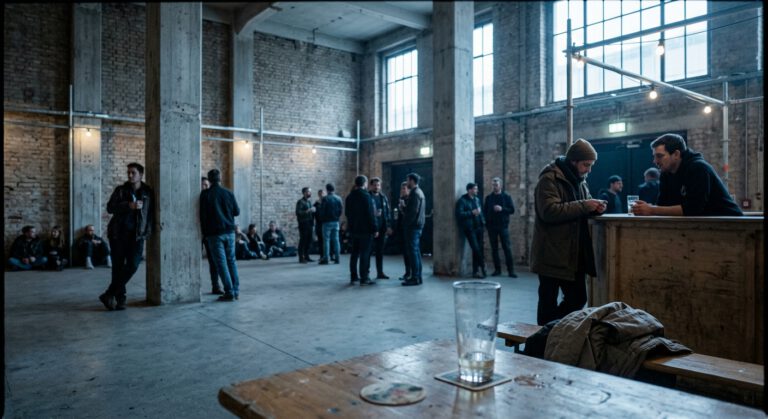
Chicago warehouse and pop-up electronic events thrive in industrial corridors where zoning is flexible and rent is still manageable. Pilsen and Bridgeport host the most consistent warehouse programming, with crews running events in converted loading docks and art studios that seat maybe 200 people. These spaces are announced through Instagram stories and group chats, rarely through mainstream ticketing platforms. That friction is intentional: it filters for people who actually care about the music.
Where to Find Chicago’s Best Late-Night Underground Parties
Chicago’s late-night underground parties typically start after 1 a.m. and run until well past sunrise. I’ve left a Bridgeport warehouse at 8 a.m. with the system still running and a dozen people still locked in. The city’s 4 a.m. bar license creates a natural handoff point: clubs close, and the real rooms open. Following local promoters like Techno and Espresso or checking genre-specific community channels is the most reliable way to find these events.
Chicago Labels Defining the Underground Sound Right Now
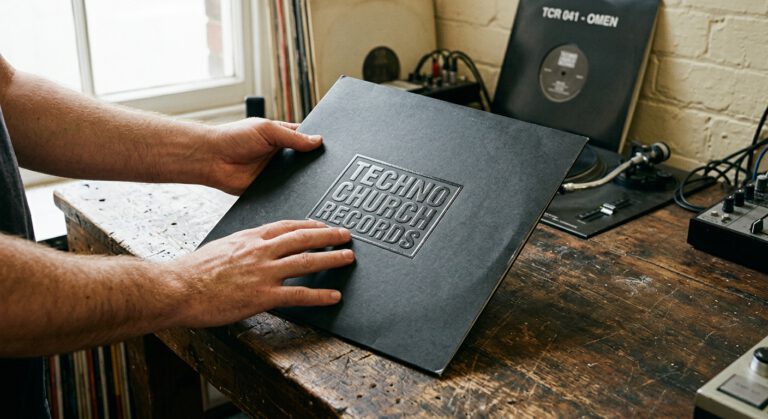
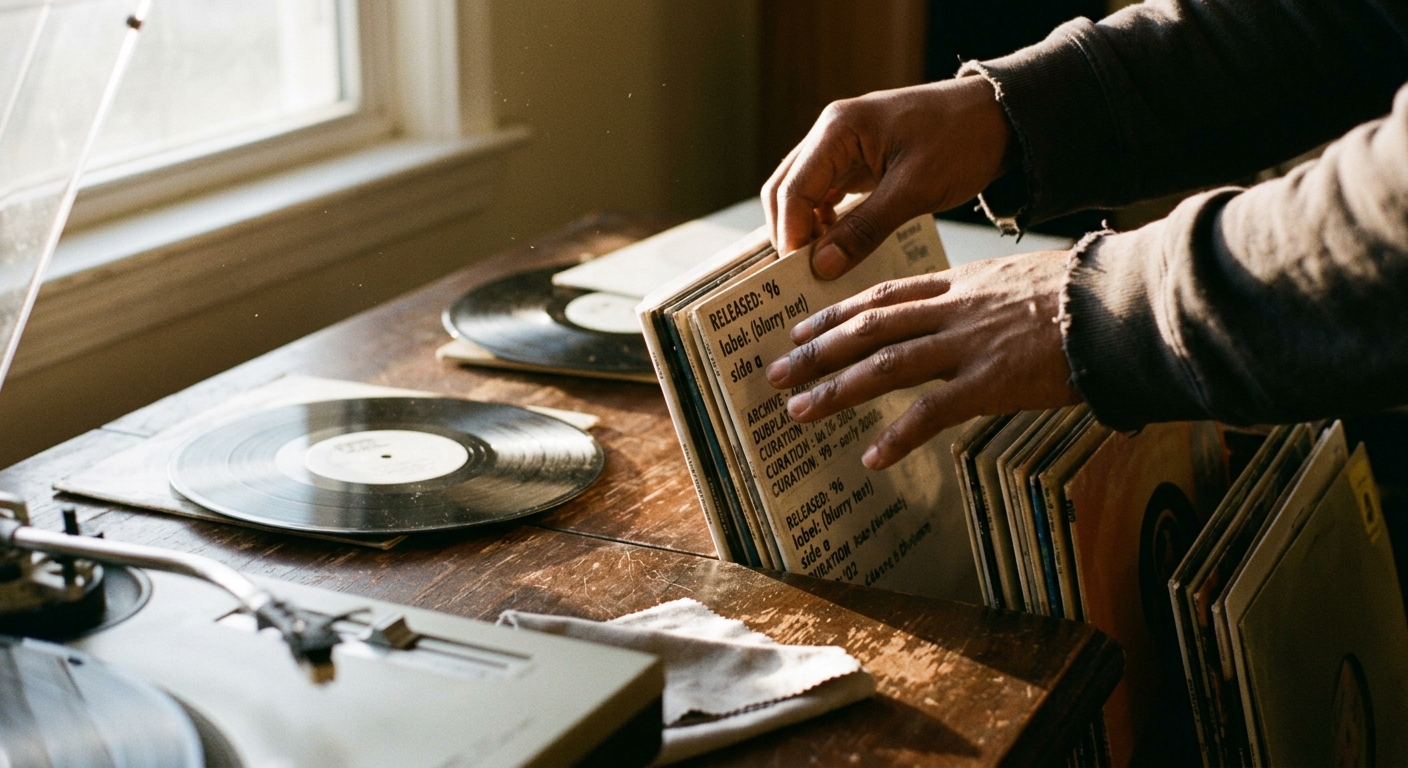
The most important Chicago underground electronic music labels in 2026 operate on a physical-first, community-rooted model. Trax Records carries historical significance, but the forward energy belongs to imprints like Teklife and a growing cluster of micro-labels pressing limited vinyl runs tied to specific crews. Many of these labels sell primarily through Bandcamp and local record stores like Gramaphone and Dusty Groove before anything hits streaming platforms.
This distribution model keeps revenue circulating within the scene rather than leaking into algorithmic ecosystems that reward volume over quality.
Which Chicago Labels Lead Underground House in 2026
Chicago underground house labels in 2026 continue the tradition of small-batch, DJ-focused releases. Imprints rooted in the city’s deep house and soulful house traditions press 300-copy vinyl runs that sell out through word of mouth. These labels function less like businesses and more like crew identifiers, binding together producers, DJs, and visual artists under a shared aesthetic. The economics are modest, but the cultural output per dollar spent is unmatched.
What Footwork Labels Are Releasing Essential Music Now
Teklife remains the most globally recognized Chicago footwork label in 2026, continuing the legacy DJ Rashad established before his death in 2014. Alongside Teklife, smaller crews release music through Bandcamp-only drops and limited cassette runs that circulate within the city’s dance battle and DJ communities. These releases rarely appear on Spotify playlists, which is precisely the point: the music is made for a specific context, and that context is a room full of dancers who know the vocabulary.
How Chicago’s Independent Labels Resist Mainstream Pressure
Chicago independent labels resist commercialization by staying small on purpose. When a label presses 200 copies of a 12-inch and sells them through one record store and one Bandcamp page, there is no pressure point for a major distributor to exploit. This mirrors the anti-commercial ethos seen in Europe’s most intentionally uncommercial festival models. The result is a catalog that functions as cultural documentation rather than content inventory.
Artists Carrying Chicago’s Underground Into 2026
The key artists shaping Chicago’s underground electronic scene in 2026 span the full house-techno-footwork continuum. Veterans like DJ Spinn anchor the footwork side, while producers like Miester, who recently released the “Hotel Party” EP on Pure Enjoyment Black, represent the techno and progressive edge of the city’s output. A new generation is emerging from South and West Side communities with sounds that carry distinctly Chicago DNA.
Finding these artists requires engagement with local promoters and label rosters. Algorithmic playlists will not surface them; the scene is too insular and too intentionally offline for that.
Who Are Chicago’s Most Influential Underground DJs Now
Chicago’s most influential underground DJs in 2026 are residents, not tourists. They hold weekly or biweekly slots at rooms like Smartbar and build their reputations through consistency rather than viral moments. Miester’s Tech(no) series, run through his Reverse Events collective, exemplifies this residency-driven model: the DJ builds a crowd over months, not through a single booking. That patience produces a different kind of authority on the floor.
Which Emerging Chicago Producers Are Breaking Through in 2026
Emerging Chicago electronic producers in 2026 are releasing music across house, techno, and footwork without treating genre boundaries as fixed. Many come up through the city’s event series, getting opening slots at warehouse parties before landing label releases. The pipeline is local and mentorship-driven, not A&R-driven. A producer earns credibility by moving a room before they earn a release.
How Chicago Artists Blend House, Techno, and Footwork Today
Chicago artists blend house, techno, and footwork by treating them as dialects of a single language rather than separate genres. A producer might build a track on a 125 BPM house groove, layer in the industrial tension of Chicago techno, and chop a vocal sample with footwork’s syncopated precision. The result is music that doesn’t fit neatly into Beatport categories but makes perfect sense on a Chicago dance floor at 3 a.m.
The House-Techno-Footwork Continuum Explained
The Chicago house-techno-footwork continuum describes the unbroken stylistic lineage connecting house music of the 1980s, the harder techno sounds of the 1990s, and the hyper-rhythmic footwork tradition that developed from the late 1990s onward. These are not competing genres in Chicago; they exist in constant dialogue, with DJs and producers moving fluidly between them within single sets. In 2026, this continuum is the defining structural feature of the city’s underground identity.
No other city has maintained three interconnected genre traditions across four decades without one cannibalizing the others. That coexistence is what makes Chicago’s scene structurally unique.
What Is the Chicago House-Techno-Footwork Continuum
The continuum means that a Chicago DJ can play a Ron Hardy-influenced acid track, transition into a raw techno loop, and land on a 160 BPM footwork edit without the floor reading it as a genre shift. The audience hears it as one continuous expression because they grew up inside all three traditions simultaneously. This is not eclecticism; it is fluency born from geographic and cultural proximity.
How Footwork Evolved from Chicago’s Juke Music Tradition
Footwork evolved directly from Chicago’s juke music tradition, which itself grew out of ghetto house and the competitive dance battle culture of the South and West Sides. Juke tracks ran at 150 to 160 BPM with heavy bass and repetitive vocal loops; footwork refined the rhythmic complexity, adding layered polyrhythmic percussion and chopped samples that demanded a new kind of physical response. DJ Rashad and DJ Spinn codified this evolution through Teklife, turning a neighborhood practice into a globally recognized sound.
Why This Continuum Makes Chicago’s Scene Uniquely Cohesive
Chicago’s underground scene cohesion comes from the fact that its genres share a common social infrastructure. The same promoters book house nights and footwork battles. The same record stores stock deep house 12-inches and juke edits. The same dancers show up to both. This overlap creates a feedback loop where innovation in one genre immediately influences the others, keeping the entire ecosystem fresh without requiring external input.
How to Navigate Chicago’s Underground Scene as a Visitor
A visitor can find and access Chicago’s underground electronic music events in 2026 by following local promoters, labels, and collectives on social media and subscribing to newsletters from outlets like 5 Magazine’s Chicago events calendar. Many underground events are announced within 48 hours of doors, so mainstream ticketing platforms will miss the best nights entirely. Resident Advisor’s Chicago section and record store bulletin boards at Gramaphone Records remain essential tools for tracking the scene.
Showing up with the right attitude matters more than showing up with the right outfit. Chicago’s underground is welcoming but allergic to spectators who treat the room like content.
What Resources Help Discover Chicago Underground Events
The best Chicago underground event resources are hyperlocal: 5 Magazine’s events calendar, Resident Advisor’s Chicago listings, and the Instagram accounts of crews like Reverse Events and Teklife. Record stores remain physical bulletin boards for the scene. Gramaphone Records in particular functions as a community hub where flyers, word of mouth, and staff recommendations surface events that never hit mainstream radar.
Which Chicago Neighborhoods Are Central to the Underground
Wicker Park and Logan Square offer accessible entry points with established venues and bar-adjacent club nights. Pilsen and Bridgeport host the warehouse and loft events that represent the scene’s more adventurous edge. The South Side, particularly Bronzeville and Hyde Park, is essential for understanding footwork’s living cultural context. A complete picture of Chicago’s underground music neighborhoods requires crossing these boundaries rather than staying in one corridor.
What Etiquette Matters at Chicago Underground Events
Chicago underground event etiquette is simple: respect the room. Phones stay in pockets during sets. Conversations happen outside the dance floor, not on it. If you don’t recognize the music, that’s fine; stand near the back and listen before you move. The city’s scene rewards curiosity and punishes entitlement. Buy a drink, tip the bartender, and understand that you’re a guest in someone else’s living room.