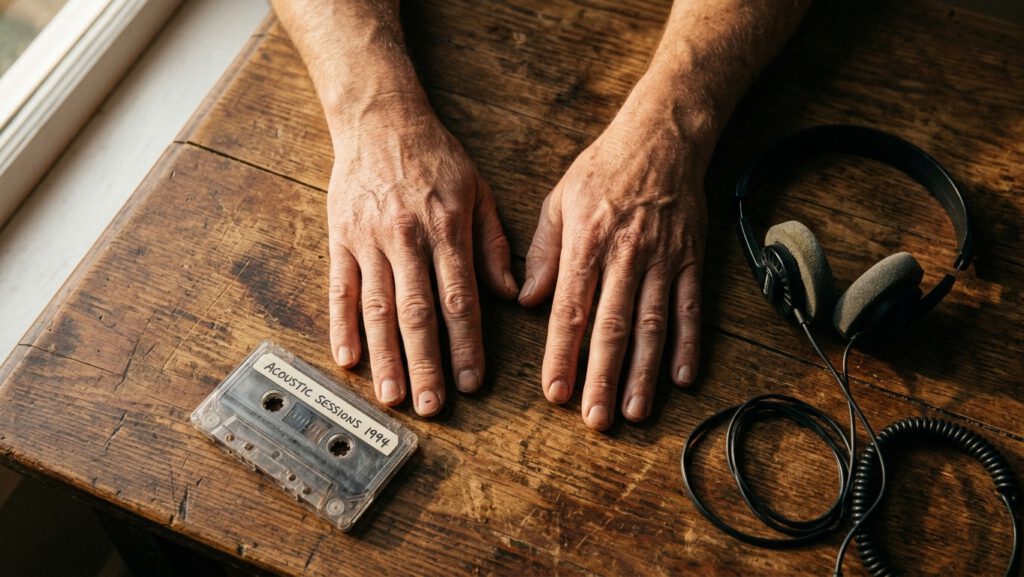
A wave of retro tech press releases prompted Decoded Magazine to look at the numbers behind what appears to be a genuine and growing shift in how people are choosing to consume music. The findings are hard to dismiss. Research conducted by Back Market in 2025, drawing on a survey of 2,000 people in the UK, found that 71 per cent owned a piece of retro tech they wished they had as a child, 45 per cent planned to purchase a vintage device, and nostalgia was the primary motivation for 43 per cent of respondents. CD players, vinyl and the Walkman topped the wish lists.
The appeal is not purely sentimental. Twenty-one per cent of those surveyed said they simply miss screen-free experiences, while 38 per cent view older formats as a more affordable route back to physical ownership. The distinction matters: owning a record or a disc means the music does not disappear when a licensing deal collapses or a platform’s algorithm reshapes your listening habits. Physical ownership, rather than rented access, appears to be a core part of the draw.
Hardware manufacturers have responded with products designed for genuine use rather than novelty. FiiO’s CP13 cassette player charges via USB-C and retails at around £100. We Are Rewind has built a following around its Walkman-style decks, and portable CD players range from FiiO’s practical DM13 to the tube-fitted Shanling EC Zero T for more serious listeners. These are new products built around legacy formats, not items pulled from storage.
The physical music revival has also reshaped spaces. Vinyl listening bars, long established in Tokyo, have expanded to London, Sydney and beyond, offering dedicated sound systems and audiences that arrived to listen. Boutique record stores have grown alongside them, and Record Store Day continues to expand annually, with exclusive pressings selling out before midday at independent shops.
Perhaps the most striking data point concerns who is driving current demand. Over the past twelve months, Gen Z purchased more CDs than millennials, Gen X and baby boomers combined, according to figures reported by the Guardian. Nearly half of Gen Alpha is already engaging with physical music in some form. The 2023 CD market saw 36.83 million units sold, boosted by deluxe editions from artists including Taylor Swift and Pink Floyd. For younger buyers, the motivation is partly aesthetic — physical media as an expression of identity in a digital-first world — but the underlying instinct aligns with older generations returning to formats they once loved.
The Decoded piece frames the broader question as burnout versus nostalgia, and concludes it is likely both. Constant notifications, algorithmic curation and the feeling that personal taste is being quietly managed have made a physical object feel, for many, like a small act of independence. The act of committing to an album in the sequence an artist intended, holding the sleeve and reading the credits, represents a mode of engagement that streaming does not replicate. That, more than any sales figure, seems to be what is pulling people back.
Source: Decoded Magazine