November 27, 2026
NORWAY
Electronic duo anamē have explained how their third album, “On My Way”, took shape, in an interview with When We Dip. The record was largely written at Ocean Sound Studios on the remote Norwegian island of Giska. It marks a move toward a more personal, song-driven approach for the project, which the pair launched in 2022 and which now reaches well beyond the dancefloor.
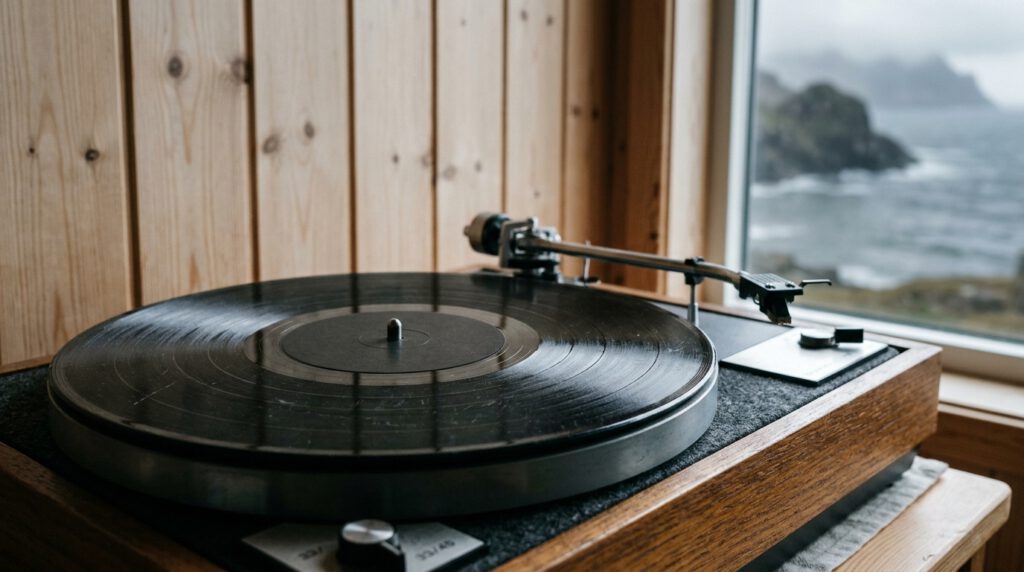
The location was a deliberate choice. Ocean Sound sits in the archipelago outside Ålesund, where, as the duo put it, the raw elements of nature hit you from every direction. They had wanted to work there for a long time. The album leans on their Scandinavian roots in its sound, its feeling and its visuals, and the studio let them live inside what they call their own little Scandinavian daydream. Being cut off from everyday noise, they say, forces you to focus on what is within. The vast, quiet surroundings also pushed their conversations toward bigger and more poetic subjects.
The songwriting approach marks a clear shift from their beginnings. At first the focus was on the club. Over the years they worked with songwriters and wanted to try that route themselves, but did not dare. Eventually they realised they could write decent songs of their own. They compare that step to opening your inner thoughts like a book for the public to read. The title track began at the piano in one member’s living room. He sent it to Jack Froggatt, who connected with the line “I just want to do the things I say”. They then invited him to Ocean Sound to finish it together.
Collaboration runs through the album. Philip Sheppard brings harmonic and orchestral touches into an intimate setting. Elmar contributes his gentle voice and songwriting, Sandrayati her voice and eye for detail, and Emelie Hollow her energy and power. The duo had wanted to work with all four for some time. Electronic production sits alongside organic instrumentation and live elements, and the pair say the balance came naturally. They have long loved indie rock, and here they let each song dictate what it needed. The record closes with “True”, and the duo see it as the start of the next chapter for anamē, on record and on stage.