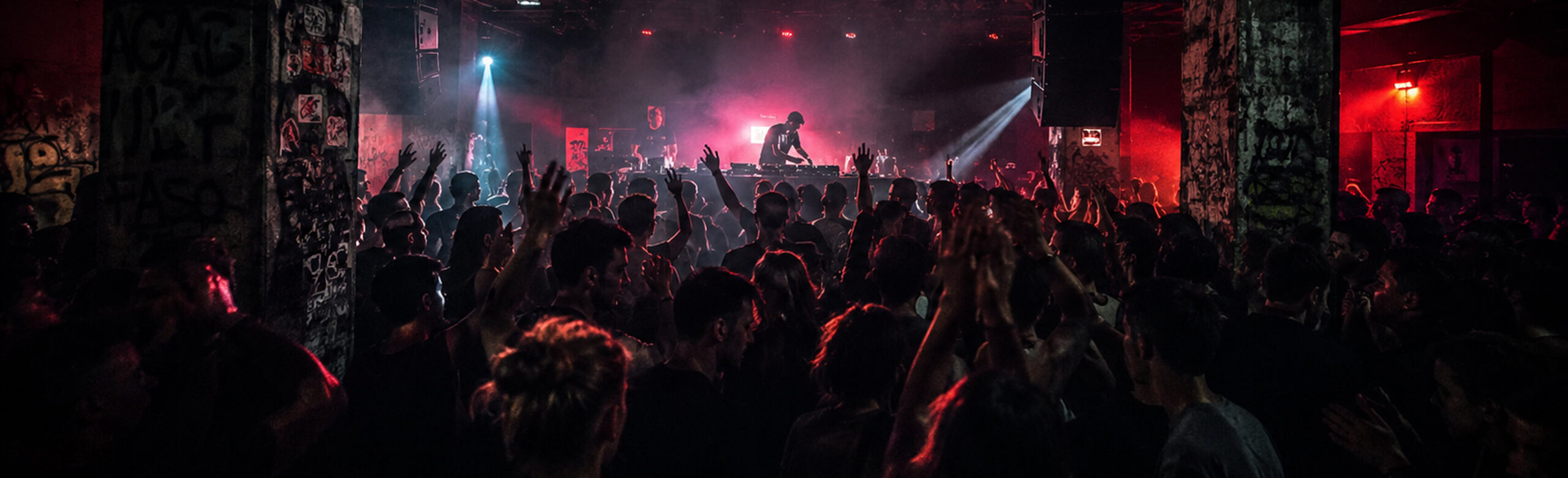
Regardless of whether you have been to Berlin or not, you cannot fully understand why Berlin is still the capital of techno until you feel the kick drums in the room literally moving your heartbeat. The difference is that DJ hasn’t spoken yet, the lights haven’t turned on, and no one is filing anything yet. No peak moment coming. No drop is being announced. Just pressure, rhythm, and three hundred people who came here specifically to lose track of time.
That’s what the city still does. In 2026, it still does it better than anywhere else.
What „Authentic“ Actually Means in Berlin Techno Culture Right Now
Direct answer: Authentic Berlin industrial techno culture isn’t about which clubs you’ve been to. It’s about whether you came for the music or the story of the music. The floor knows the difference.
The Tourist Version vs The Real Floor
The tourist version of Berlin techno looks exactly right. Black clothes, long queues, the right Instagram story. It’s not wrong about the aesthetics. It just misses what the aesthetics are in service of. The real floor in 2026, the one at OHM, at Tresor’s lower level, and at the smaller spaces in Lichtenberg and Neukölln that don’t have PR, exists to make the outside world disappear. That’s not a selling point. That’s the entire function.
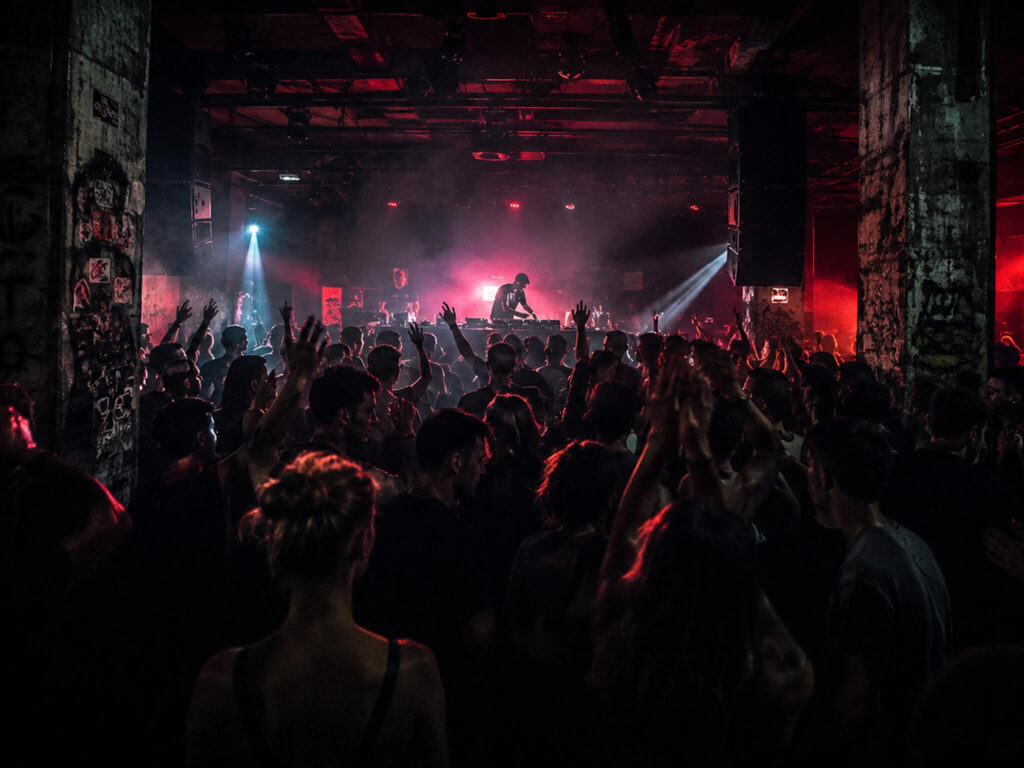
Authentic Berlin rave culture has always been hostile to spectacle. Not aggressively, just structurally. The music doesn’t reward passive presence. You either lock in or you don’t. Those who stay in Berlin for a weekend only can’t fully soak themselves in the culture, and therefore, Berlin looks different to them.
Why Concrete Spaces Still Define The Sound
There’s a reason warehouse rave aesthetics and soundscapes aren’t just visual choices. Concrete reflects and diffuses sound differently from any treated acoustic space. The low frequencies stack in corners. The reverb tail is longer and harder to predict. Producers and DJs who have spent years in these rooms make production decisions shaped by how those rooms respond. The distorted kick hits differently in a space with fifteen-meter ceilings and bare concrete walls. It’s not a sound you design for headphones and then scale up. It works from the room outward.
The Industrial Sound Taking Over 2026
Hard techno BPM trends in 2026 have gone faster and harder than anything I’ve mixed in the last ten years. This isn’t trend-chasing. The scene took something back that was being slowly taken from it.
Why 145+ BPM Is The New Standard
I remember when 130 felt fast. That was a different era. When I’m playing Tresor now, or the harder rooms at Kraftwerk, I’m running 145, sometimes pushing 150 through peak hours, and the crowd doesn’t flinch. They lean in. Because 130 BPM started feeling like melodic techno with darker clothes on, the same emotional arc, just with distortion on top. The energy wasn’t physical anymore. Wasn’t hitting anything real.
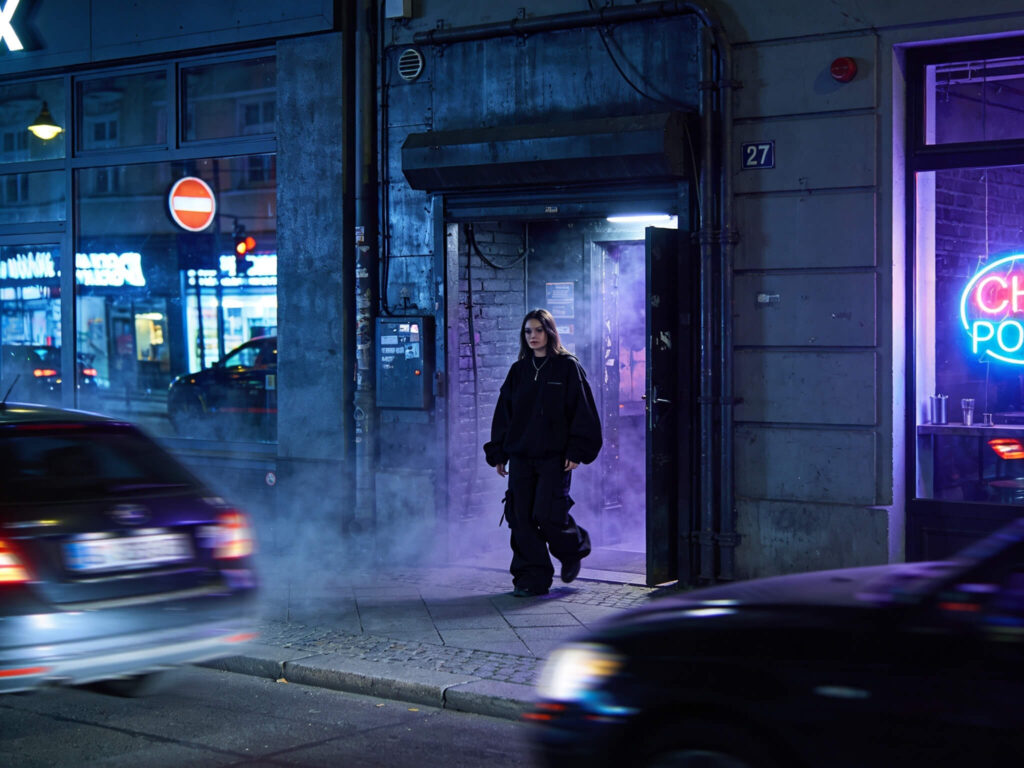
At 145+, something changes in a room. People stop thinking. Their bodies just respond. I’ve watched it happen hundreds of times, and it still gets me. You feel the crowd shift around the third hour, and you know you don’t ease up now. You push.
Raw 4/4 and The Production Choices Behind It
When I’m building tracks or thinking about what I’m playing, the production philosophy is always the same. Roland TR-909, TR-8S, Jomox MBase, and hardware that you push through analog distortion chains before anything touches the mix. The kick shouldn’t be clean. If the kick is clean, it’s already wrong. Saturation on the transients, metallic hi-hats sitting against noise textures, and almost no melodic content because the rhythm has to carry the whole weight of the room.
That’s the raw 4/4 truth; the groove has to feel like it was always going to happen. Modern industrial techno production techniques in 2026 are about removing everything that softens that inevitability.
Why Imperfection Is A Deliberate Decision
There’s a version of hard techno that’s technically perfect and completely lifeless. Berlin producers know it when they hear it. The scene has always valued the slightly off, the clipped, and the distorted edge that tells you something was physically pushed too far and stayed there. That underground sound design philosophy, rawness over clarity, pressure over polish, is what separates music made for this culture from music made to sound like this culture.
Berlin Club Residencies Still Shape Everything
Berlin club residency sets in 2026 carry an authority that no festival booking can replicate. A resident knows the room. I know the crowd. Knows what the space needs at 6 am when the energy could go either way.
What A Residency Does That A Festival Booking Never Can
A festival set is ninety minutes in front of people who are also watching four other stages. A Berlin residency is the opposite. The DJ has played this room forty times. They know which frequency sits wrong in the left corner. They know the crowd thins at 4 am and rebuilds by 5. They build a night across six hours the way a novelist builds across chapters, with reference points, callbacks, and tension that gets introduced two hours before it resolves.
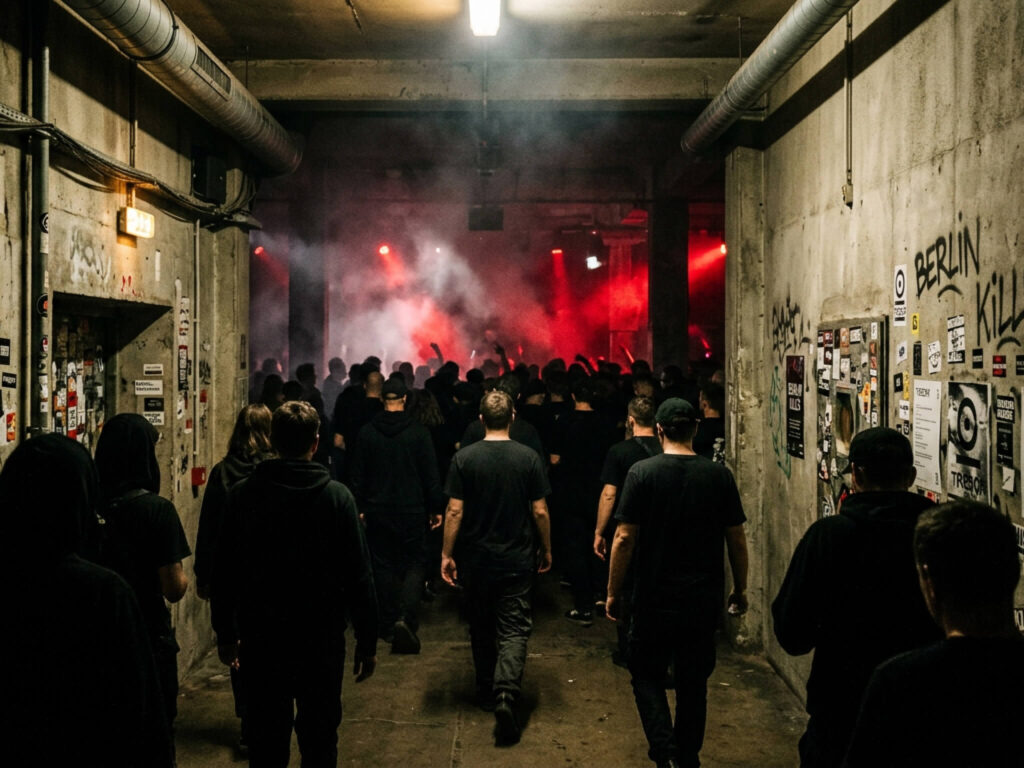
You can be overwhelmed by the long-form narrative approach in Berlin. But the Berlin techno scene is what Berlin exports more than any other music. Just like a movie, however, with greater intensity and velocity, the DJ night in Berlin has a perfect start, middle layers, and a climax you have never imagined.
The DJs Currently Defining The Berlin Pulse
Rebekah continues to define the harder, more industrial end with a precision that makes most techno sound careless by comparison. Dj Stingray’s Detroit-Berlin crossover brings a structural rigidity that hits differently in a concrete room. Identified Patient, Alignment’s Berlin appearances, and Paula Tape are in the more experimental spaces; these are the names shaping what the city sounds like right now in 2026. Not because they’re the loudest names globally. Because they understand specifically what Berlin rooms need.
The „Ravers Never Sleep“ Mentality, What It Actually Is
The Ravers Never Sleep ethos isn’t about stamina. It’s about a specific relationship with time, the decision to step outside ordinary hours and stay there until something in you has shifted.
Marathon Sets and Why They Work Psychologically
A six-hour set in a dark concrete space does something to time perception that a ninety-minute festival performance never touches. The repetition isn’t monotony. It’s an accumulation. The same rhythmic pattern returning slightly transformed after forty minutes registers differently in your body than it did the first time. The 24-hour club culture of Berlin operates on this principle. Not excess for its own sake. Immersion is a deliberate psychological state.
Why Younger Audiences Are Moving Toward Harder Sounds
The hard techno resurgence in 2026 is partly generational. Audiences in their early twenties who came up during peak algorithmic music culture, optimized sounds, engineered emotional responses, and constant novelty are finding something in the uncompromising physicality of industrial techno that the softer sounds don’t provide. Emotional release through volume and repetition. Anonymity in a dark room. The chance to feel something without being managed toward it.
Berlin noticed this before anywhere else did. It usually does.