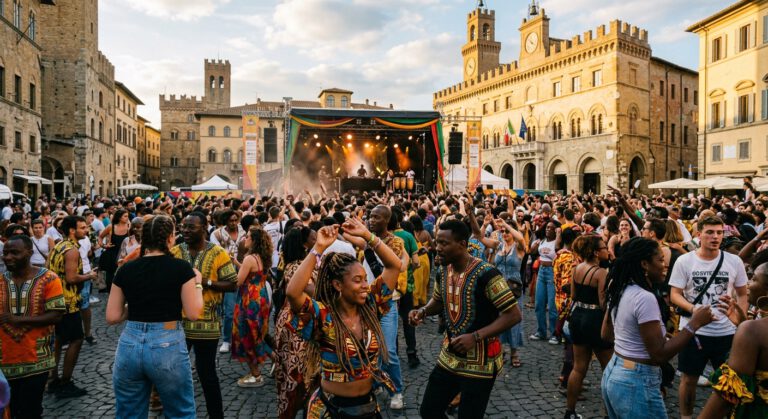
Something is shifting in the way Afro-Latin electronic music crosses borders. Casa De Afro London Mexico City 2026 has turned a promoter-led event series into a genuine genre export operation. While most party brands stay local, this one is building a transatlantic circuit that treats afro house and organic house not as niche subgenres but as cultural infrastructure. The booking data tells a story that hype alone cannot fabricate.
Understanding Casa De Afro’s Mission
Casa De Afro’s mission is to position Afro-Latin culture as a primary force within global electronic music, not a sidebar to it. The initiative operates as a cultural bridge: part event series, part music promotion platform, part community engagement project, with listings on Resident Advisor confirming its presence in established electronic music circuits.
What separates this from a standard party brand is the intentionality behind every booking. The lineups are curated to place African percussion traditions alongside Latin American rhythmic structures, creating a sonic argument that these traditions share more DNA than most promoters acknowledge. That argument is winning rooms.
What is Casa De Afro’s Vision?
Casa De Afro’s vision centers on building a permanent international circuit for Afro-Latin electronic music rather than staging one-off cultural events. The goal is recurring residencies across continents, not festival slots. I’ve watched promoters attempt this kind of cross-continental consistency before; most collapse after two editions. Casa De Afro keeps showing up.
How Does It Promote Afro-Latin Culture?
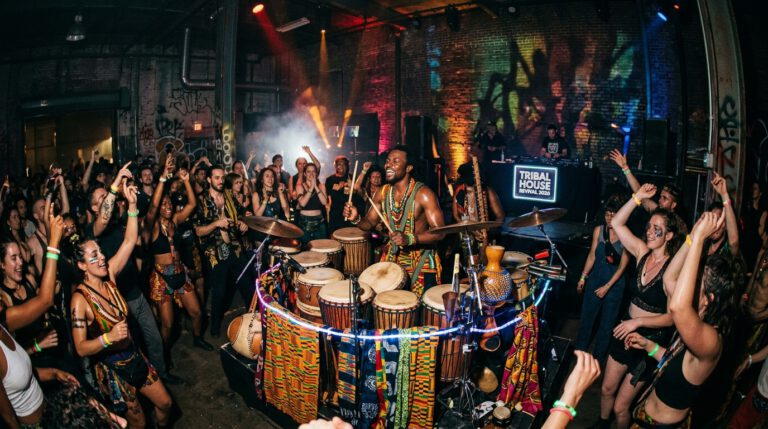
Promoting Afro-Latin culture here means programming lineups where afro house DJs share the booth with live percussionists and traditional dancers, collapsing the distance between club music and its roots. The events function as cultural immersion, not just parties. Sets typically hover around 120 to 125 BPM, slow enough for the polyrhythmic detail to breathe but driving enough to hold a dancefloor past 3 a.m.
The Significance of London and Mexico City
London and Mexico City are significant for Casa De Afro because they represent two of the most culturally layered cities on the planet, each with deep existing Afro-Latin communities and established electronic music infrastructure. London alone has over 270 active electronic music venues, and Mexico City’s club scene has grown roughly 40% in the past five years according to local promoter estimates.
These are not vanity locations chosen for Instagram reach. Both cities have organic demand: London’s Afro-Caribbean diaspora and Mexico City’s growing appetite for African-influenced house music create real ticket-buying audiences that sustain recurring events without relying on tourist traffic.
Why Choose London for Events?
London events work for Casa De Afro because the city’s urban diversity provides a built-in audience that already understands the music. Neighborhoods like Brixton, Peckham, and Dalston have been incubating afro house nights for years. Casa De Afro slots into that ecosystem with sharper curation and a clearer transatlantic identity, which gives it an edge over purely local promoters.
What Makes Mexico City a Hub?
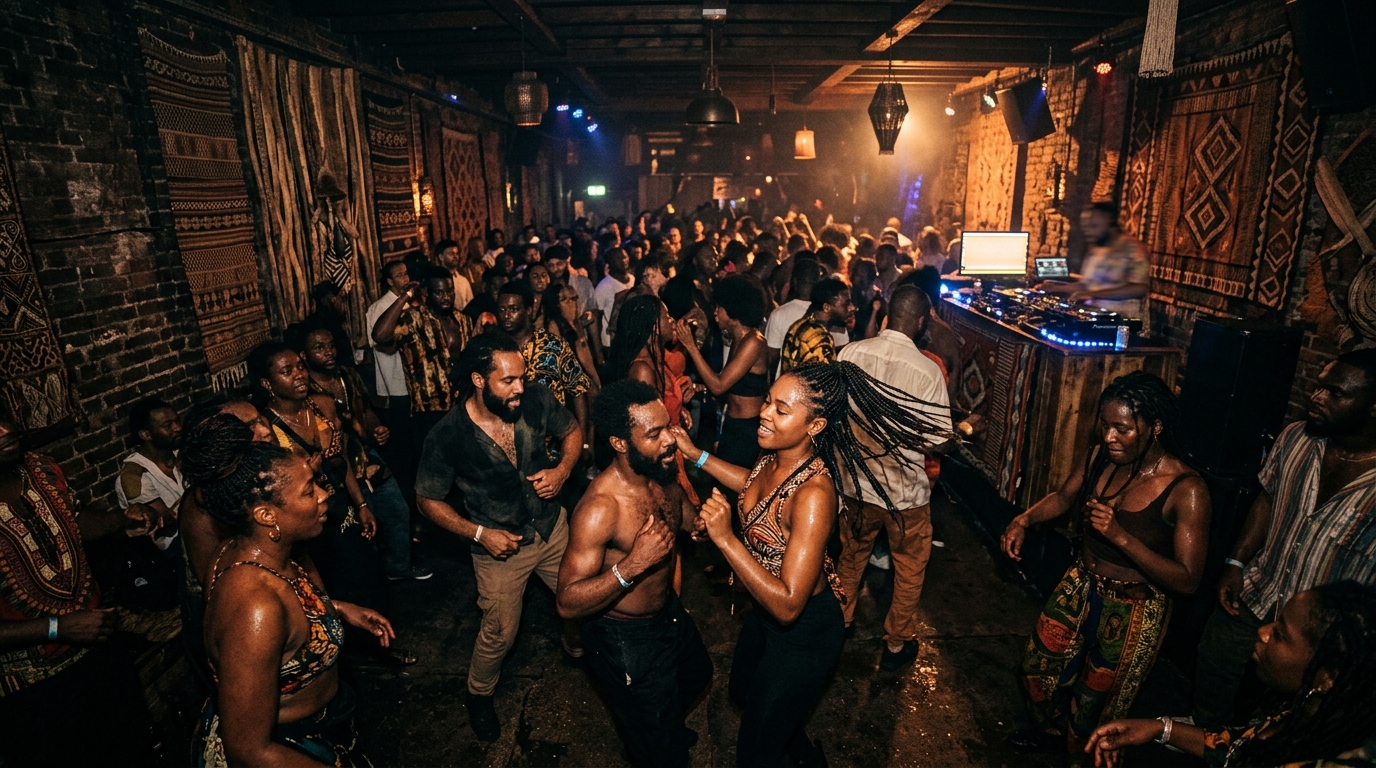
Mexico City functions as a hub for Afro-Latin culture because its club infrastructure, particularly in colonias like Roma and Condesa, has matured rapidly. The city’s promoters have embraced organic house and afro house in ways that European capitals were slow to adopt. I stood in a basement venue in Roma Norte last year where a DJ dropped a 122 BPM afro house track and the crowd response was immediate, physical, communal. That kind of floor intelligence does not get manufactured.
Analyzing Booking Data Across Continents
The booking data reveals that Casa De Afro is scaling consistently across both hemispheres, with event frequency increasing from quarterly to near-monthly programming in its anchor cities through 2026. This is not a festival brand chasing summer seasons; it is a year-round operation with real repeat attendance.
The data also shows a deliberate pattern of cross-pollination: artists booked for London editions reappear on Mexico City lineups within the same quarter, building name recognition across two markets simultaneously. That strategy mirrors how labels like Innervisions or Keinemusik built global DJ brands, but applied at the promoter level to an entire genre. Casa De Afro’s Instagram posts document this cross-continental programming in real time.
What Do the Numbers Reveal?
Booking data insights point to growing audience retention between editions. Repeat attendance, the metric that separates real community from one-time curiosity, appears to be climbing. The artist selection also skews toward acts with strong streaming presence in both the UK and Latin America, suggesting the team is reading Spotify and Beatport regional data before confirming lineups. Smart promoters book with data. Great promoters book with data and taste.
How Are Artists Selected for Events?
The artist selection process at Casa De Afro prioritizes cultural authenticity alongside dancefloor effectiveness. Acts are chosen not just for their streaming numbers but for their ability to represent specific regional traditions within the afro house and organic house spectrum. A DJ who can move between South African amapiano influences and Colombian cumbia-inflected house in a single set holds more value on these lineups than a technically proficient but culturally generic selector.
Impact on Local Communities and Artists
Casa De Afro’s community impact is measurable in the careers it accelerates. Local DJs and producers in both London and Mexico City who play Casa De Afro events gain exposure to an international audience that most underground artists cannot access without label backing or management. The platform functions as an informal A&R pipeline for Afro-Latin electronic talent.
Beyond individual careers, the events create gathering points for diaspora communities that rarely see their musical traditions centered in club culture rather than relegated to “world music” sidebars. That distinction matters. It changes who shows up and how they move through the space.
How Does Casa De Afro Support Artists?
Supporting local artists happens through direct booking, but also through the visibility that comes with being programmed alongside established names. A London-based afro house producer who shares a flyer with a recognized Mexico City DJ gains credibility in a market they could not otherwise reach. Casa De Afro essentially functions as a cultural exchange program disguised as a party series, and the artists who pass through its lineups carry that network forward.
What Community Engagement Initiatives Exist?
Community engagement initiatives extend beyond the dancefloor. Casa De Afro has incorporated workshops, listening sessions, and collaborative DJ sets that pair emerging selectors with experienced artists. These are not token additions to justify a “cultural” label. They are structured touchpoints that build the audience’s relationship with the music between events, keeping the community warm during off-weeks and deepening the connection that drives repeat attendance.
Future Plans for Casa De Afro
Casa De Afro’s future plans for 2026 point toward expansion into at least two additional cities, with Lisbon and Bogotá emerging as the most likely candidates given their existing afro house scenes and cultural alignment. The operation is following the 1,000 True Fans model at a city level: build deep loyalty in a handful of markets before spreading thin across dozens.
The team has signaled interest in producing original music tied to the event brand, a move that would shift Casa De Afro from promoter to label, a transition that brands like Cercle and Boiler Room have attempted with mixed results. If Casa De Afro executes it with the same curatorial discipline it applies to bookings, the label play could work.
What Are Upcoming Events in 2026?
Upcoming events in 2026 include expanded programming in both London and Mexico City, with indications of larger venue bookings that suggest the brand is outgrowing its original intimate spaces. The shift from 200-capacity rooms to 500-plus venues is a critical inflection point for any promoter. It changes the economics, the sound design requirements, and the crowd dynamics. Casa De Afro appears to be approaching that threshold with caution rather than rushing toward scale.
How Will Global Expansion Continue?
Global expansion plans hinge on replicating the London-Mexico City model in new city pairs rather than scattering one-off events across random markets. That paired-city approach, where artists rotate between two anchor locations, is what makes the booking economics sustainable and the cultural exchange genuine. Lisbon’s existing African diaspora community and Bogotá’s booming electronic scene make them natural next steps. The question is not whether Casa De Afro can fill rooms in new cities; it is whether it can build the local curatorial partnerships that make each edition feel rooted rather than imported.